FOCUS On Burnside - the news hub
Welcome.
This is our media hub of all things Burnside.
A hub for local news about people, businesses and happenings in our community.
Welcome.
This is our media hub of all things Burnside.
A hub for local news about people, businesses and happenings in our community.
-
Windback Wednesday - Kurralta House
Share Windback Wednesday - Kurralta House on Facebook Share Windback Wednesday - Kurralta House on X (formerly Twitter) Share Windback Wednesday - Kurralta House on Linkedin Email Windback Wednesday - Kurralta House link
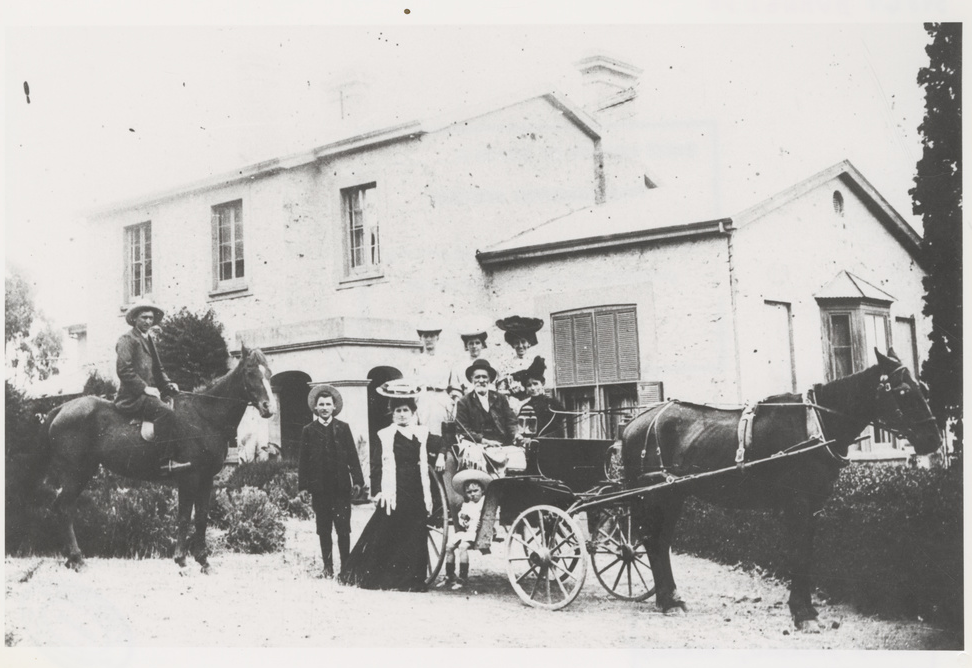
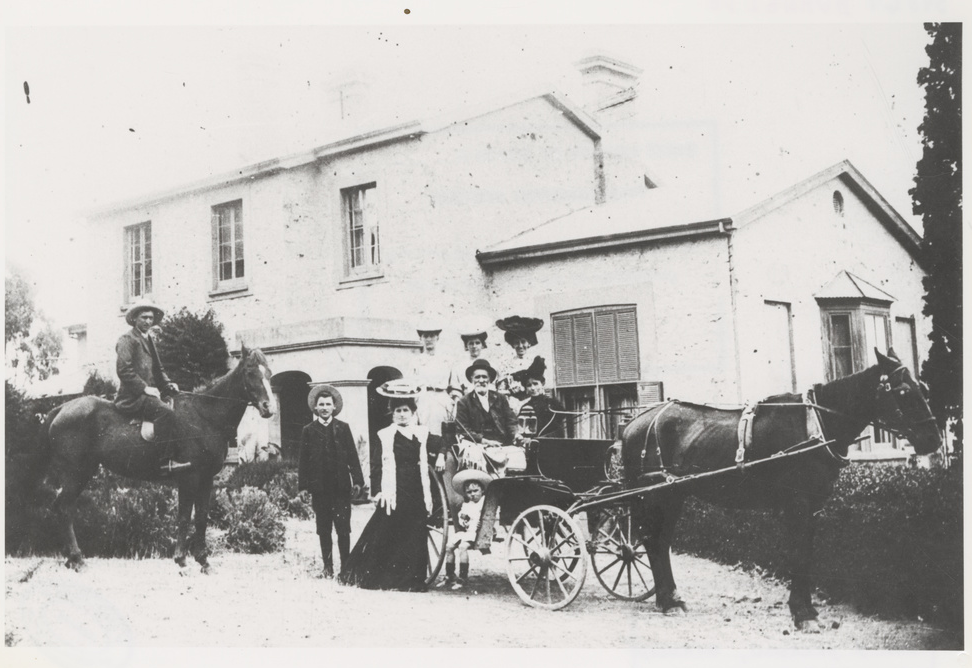
Kurralta Drive in Burnside is named after the house built for Dr William Wyatt (1805–1886). The name is widely accepted to derive from a Kaurna word meaning “set on the hill,” reflecting the site's elevated location. The home was designed in a Georgian style by noted colonial architect George Kingston.
Following Dr Wyatt’s death, his wife Julia remained in the house until her passing in 1891 at the age of 91. The property later came under the care of the Wyatt Beneficial Institution, before being sold to George Freeman and then to John Dunstan in 1910. Percy Ifould purchased theContinue reading
Kurralta Drive in Burnside is named after the house built for Dr William Wyatt (1805–1886). The name is widely accepted to derive from a Kaurna word meaning “set on the hill,” reflecting the site's elevated location. The home was designed in a Georgian style by noted colonial architect George Kingston.
Following Dr Wyatt’s death, his wife Julia remained in the house until her passing in 1891 at the age of 91. The property later came under the care of the Wyatt Beneficial Institution, before being sold to George Freeman and then to John Dunstan in 1910. Percy Ifould purchased the house in 1919.
Originally, the property extended down to First Creek in Waterfall Gully, where flowers, vegetables and oranges were grown, connecting the home to the productive landscapes of early Burnside.
Photograph: Kurralta House. Freeman Family in horse-carriage and on horseback at the front of the house, circa 1904. B 39547. Courtesy of State Library of South Australia.
-
Windback Wednesday - Jarvis Street, Erindale
Share Windback Wednesday - Jarvis Street, Erindale on Facebook Share Windback Wednesday - Jarvis Street, Erindale on X (formerly Twitter) Share Windback Wednesday - Jarvis Street, Erindale on Linkedin Email Windback Wednesday - Jarvis Street, Erindale link
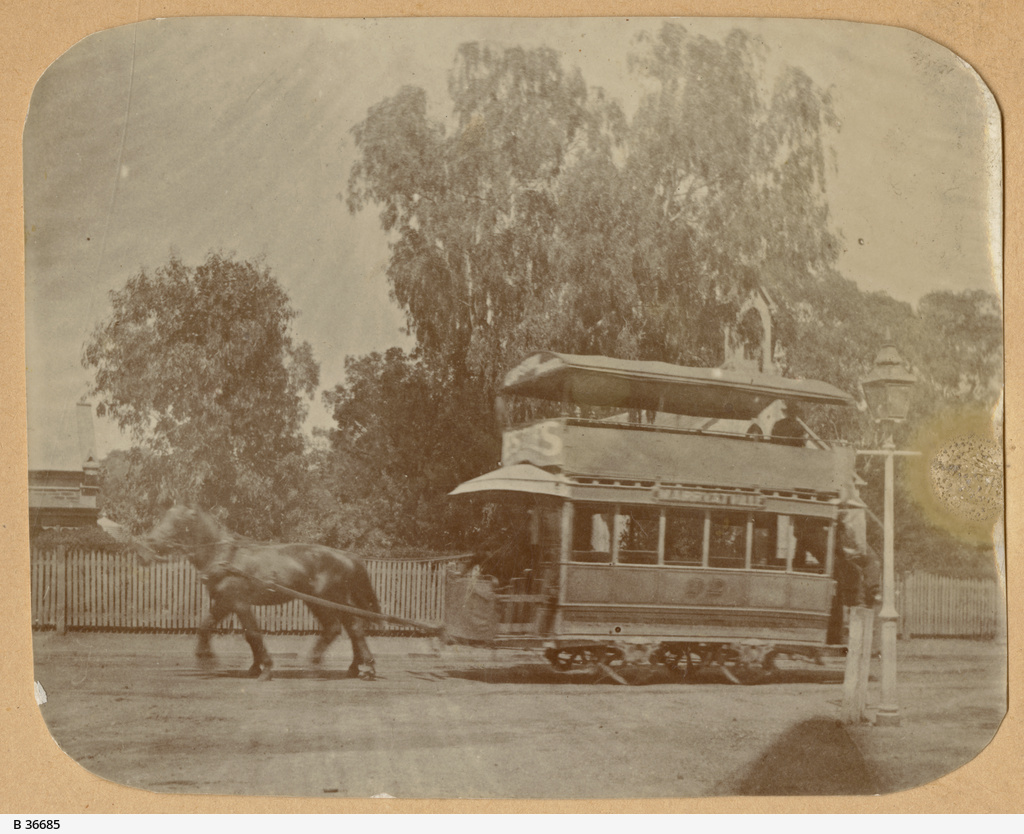
Jarvis Street in Erindale is named after Henry Jarvis, an early horse-tram driver who worked locally and lived on Knightsbridge Road.
To provide fresh milk for his family (including seven children), Jarvis kept a cow in a paddock located on Knightsbridge Road and Howard Terrace.
His son Arnold Jarvis (1881-1957), went on to become a talented artist known for his classic Australian gum tree scenes.
Henry Jarvis is not the only tram driver remembered nearby. Streets like Goyder and Wallace are also named after horse tram drivers, reflecting the important role this transport once played in the local community.
Photo:Continue reading
Jarvis Street in Erindale is named after Henry Jarvis, an early horse-tram driver who worked locally and lived on Knightsbridge Road.
To provide fresh milk for his family (including seven children), Jarvis kept a cow in a paddock located on Knightsbridge Road and Howard Terrace.
His son Arnold Jarvis (1881-1957), went on to become a talented artist known for his classic Australian gum tree scenes.
Henry Jarvis is not the only tram driver remembered nearby. Streets like Goyder and Wallace are also named after horse tram drivers, reflecting the important role this transport once played in the local community.

Photo: The last Horse Tram to Burnside, approximately 1909, State Library of South Australia, B 36685
-
Something is buzzing in Penfold Park
Share Something is buzzing in Penfold Park on Facebook Share Something is buzzing in Penfold Park on X (formerly Twitter) Share Something is buzzing in Penfold Park on Linkedin Email Something is buzzing in Penfold Park link
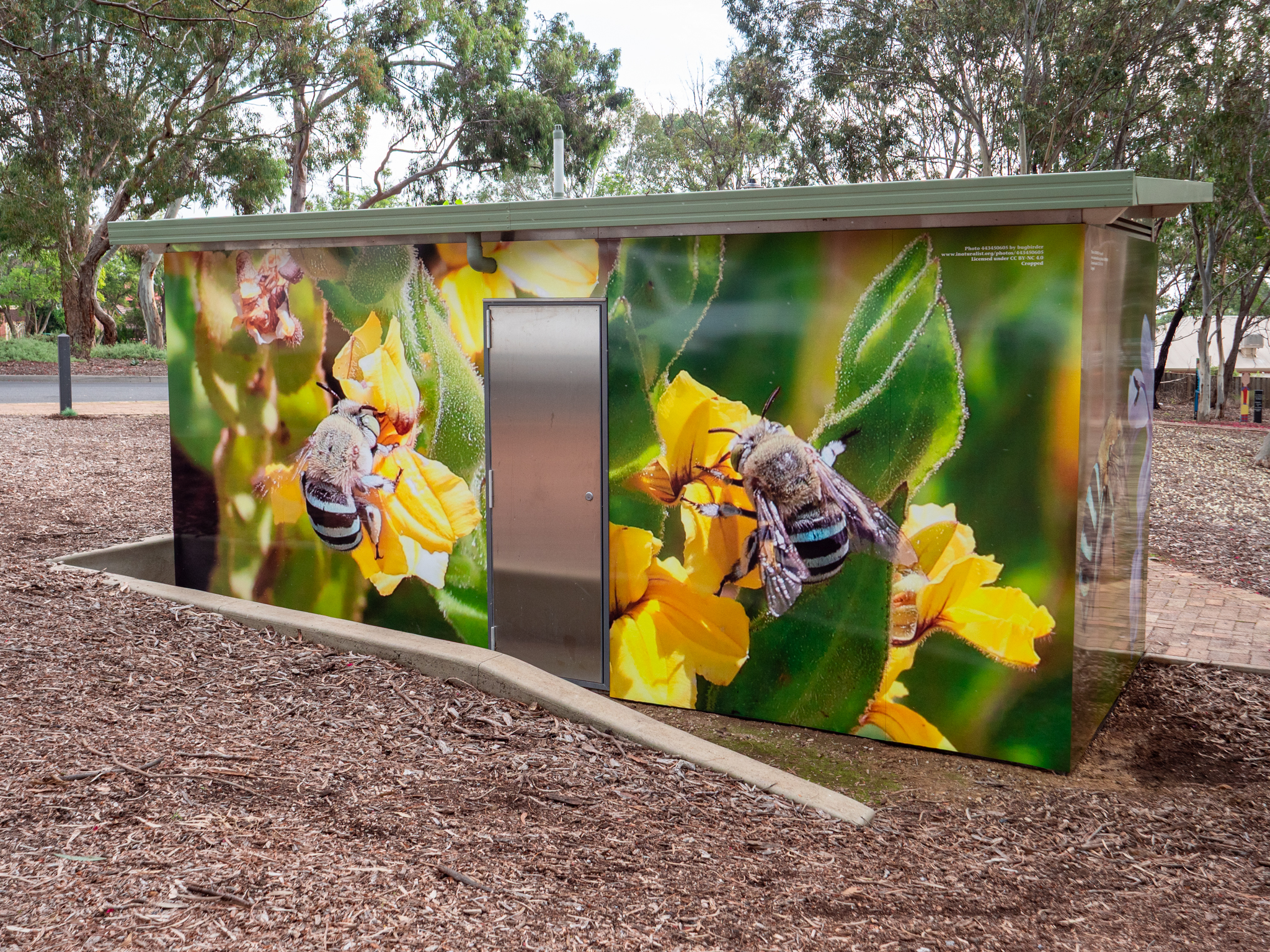
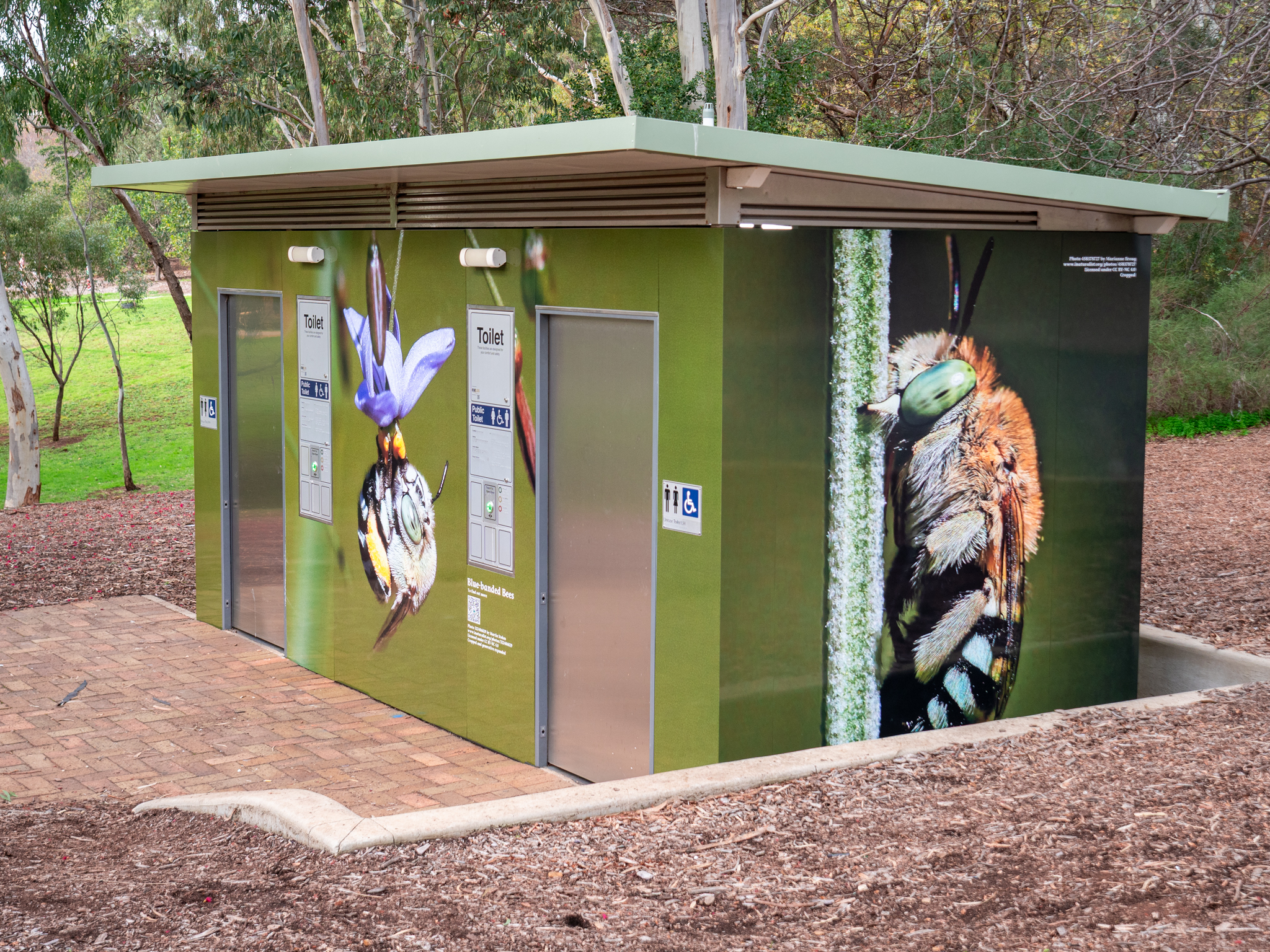
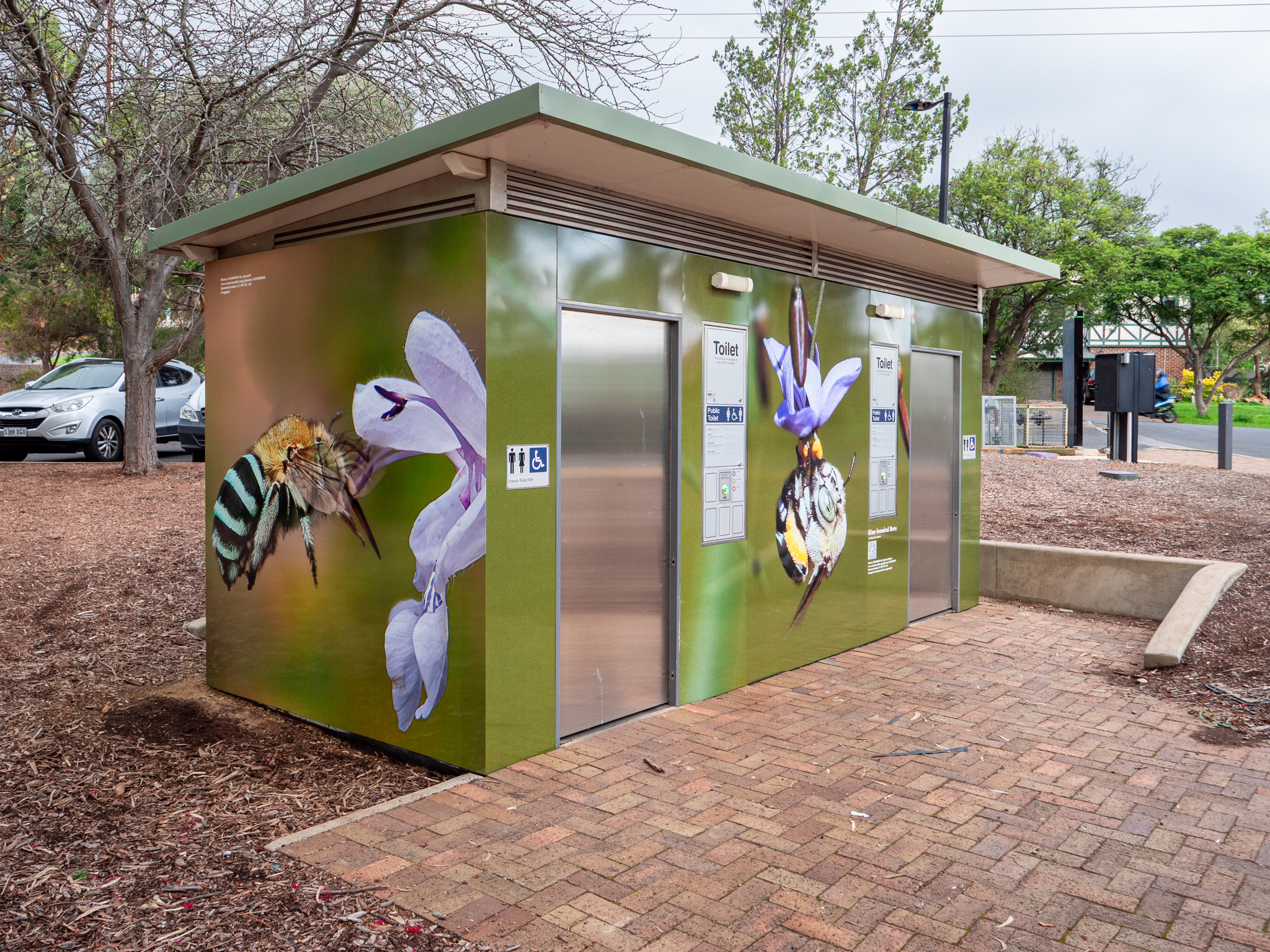
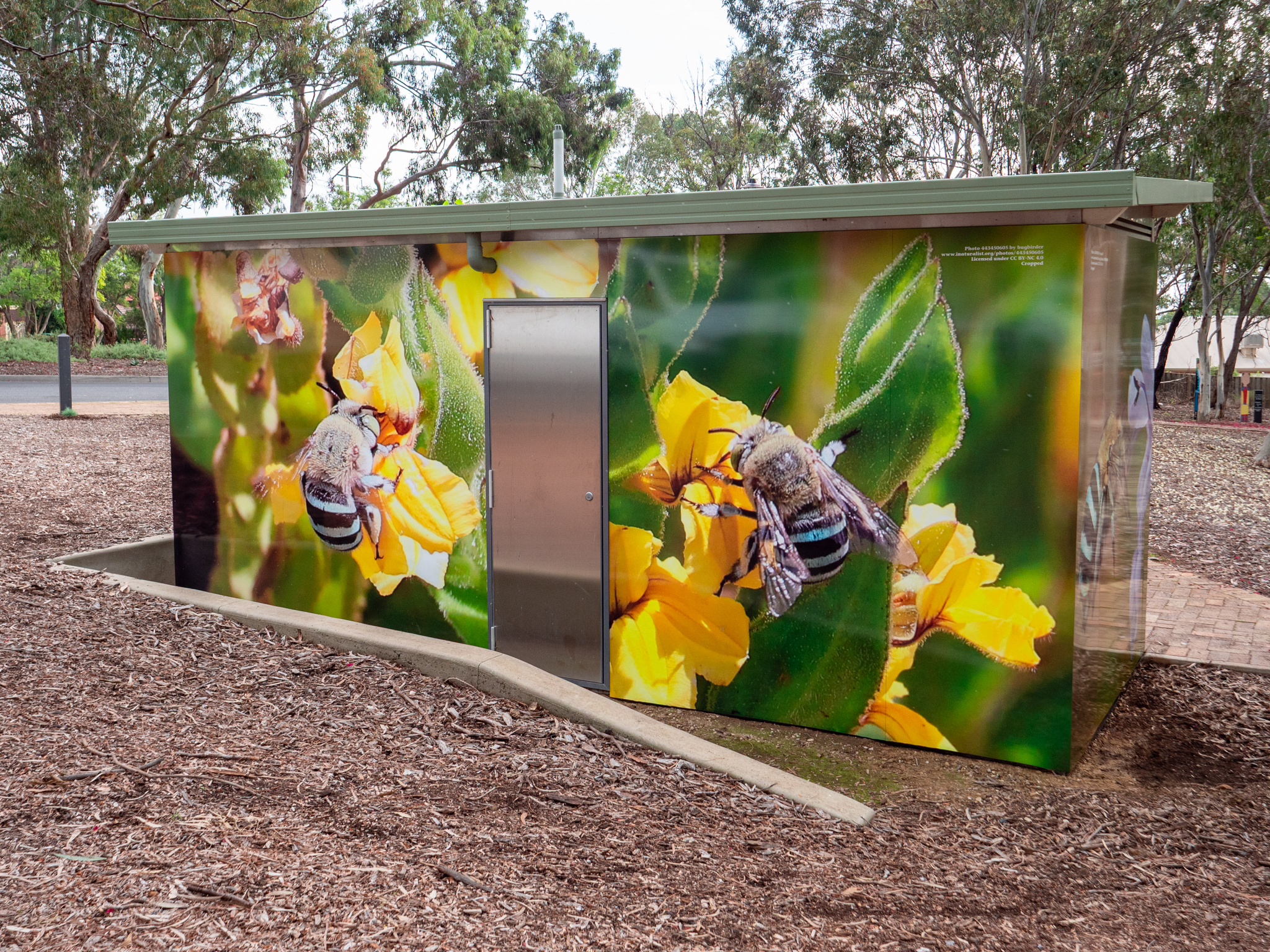
Visitors to Penfold Park may have noticed a colourful new addition to the public toilet block, featuring one of South Australia's most fascinating native pollinators the blue-banded bee.
The photographic wrap showcases the beauty of this remarkable insect while highlighting the important role native pollinators play in supporting healthy ecosystems across our city. Further installations are planned in the upcoming months to help beautify local parklands.
The blue-banded bee was selected as the subject to celebrate local biodiversity and encourage greater appreciation of the unique species that call Burnside home. While many people are familiar with European honeybees, Australia's nativeContinue reading
Visitors to Penfold Park may have noticed a colourful new addition to the public toilet block, featuring one of South Australia's most fascinating native pollinators the blue-banded bee.
The photographic wrap showcases the beauty of this remarkable insect while highlighting the important role native pollinators play in supporting healthy ecosystems across our city. Further installations are planned in the upcoming months to help beautify local parklands.
The blue-banded bee was selected as the subject to celebrate local biodiversity and encourage greater appreciation of the unique species that call Burnside home. While many people are familiar with European honeybees, Australia's native bees often go unnoticed despite their significant contribution to pollination.
Unlike European honeybees, blue-banded bees are capable of a specialised technique known as ‘buzz pollination’. By vibrating their bodies at a specific frequency, they can release pollen from flowers that other bees struggle to pollinate. This makes them particularly valuable for many native plants, as well as common food crops.
Interest in native bees is already growing within our community. Bee hotels have been installed at Kensington Park Reserve and within the Glenside development, providing habitat opportunities for local pollinators. The new toilet block wrap builds on this interest by creating an accessible and engaging way for residents and visitors to learn about these important insects.
The project also supports Council's commitment to environmental education and biodiversity conservation, raising awareness of native species and their ecological importance.
Now for some quick fun facts about the blue-banded bee. Did you know?
- There are three species of blue-banded bee found in Adelaide.
- Despite their name, their bands can sometimes appear almost white, and in rare cases may even be orange.
- The species featured on the Penfold Park toilet block is Amegilla chlorocyanea, the most common blue-banded bee in Adelaide.
- It can be identified by the iridescent blue hairs on its legs.
- This species is found across most of mainland Australia.
- Adult blue-banded bees live for only around six weeks and often develop bald patches towards the end of their lives.
- Females can be identified by a black streak on each hind leg.
- Only female bees collect pollen, carrying it back to their nests on their hind legs.
Blue-banded bees are more than just beautiful, they are highly effective pollinators.
Researchers from the University of Adelaide have found that blue-banded bees can improve the pollination of tomato flowers and may even help increase fruit size. They have also been observed visiting a wide range of edible plants, including eggplant, capsicum, watermelon, strawberry and pumpkin.
If you'd like to attract blue-banded bees to your own garden, consider planting some of their favourite native species. Dianellas and Goodenias are particularly popular with these bees and are regularly available through the City of Burnside's annual Local Native Plant Giveaway.
The new wrap at Penfold Park toilet block serves as a reminder that some of our most important environmental contributors are also among our smallest. By celebrating native species such as the blue-banded bee, we can help foster a greater appreciation for the natural world and the essential services these remarkable pollinators quietly provide every day.
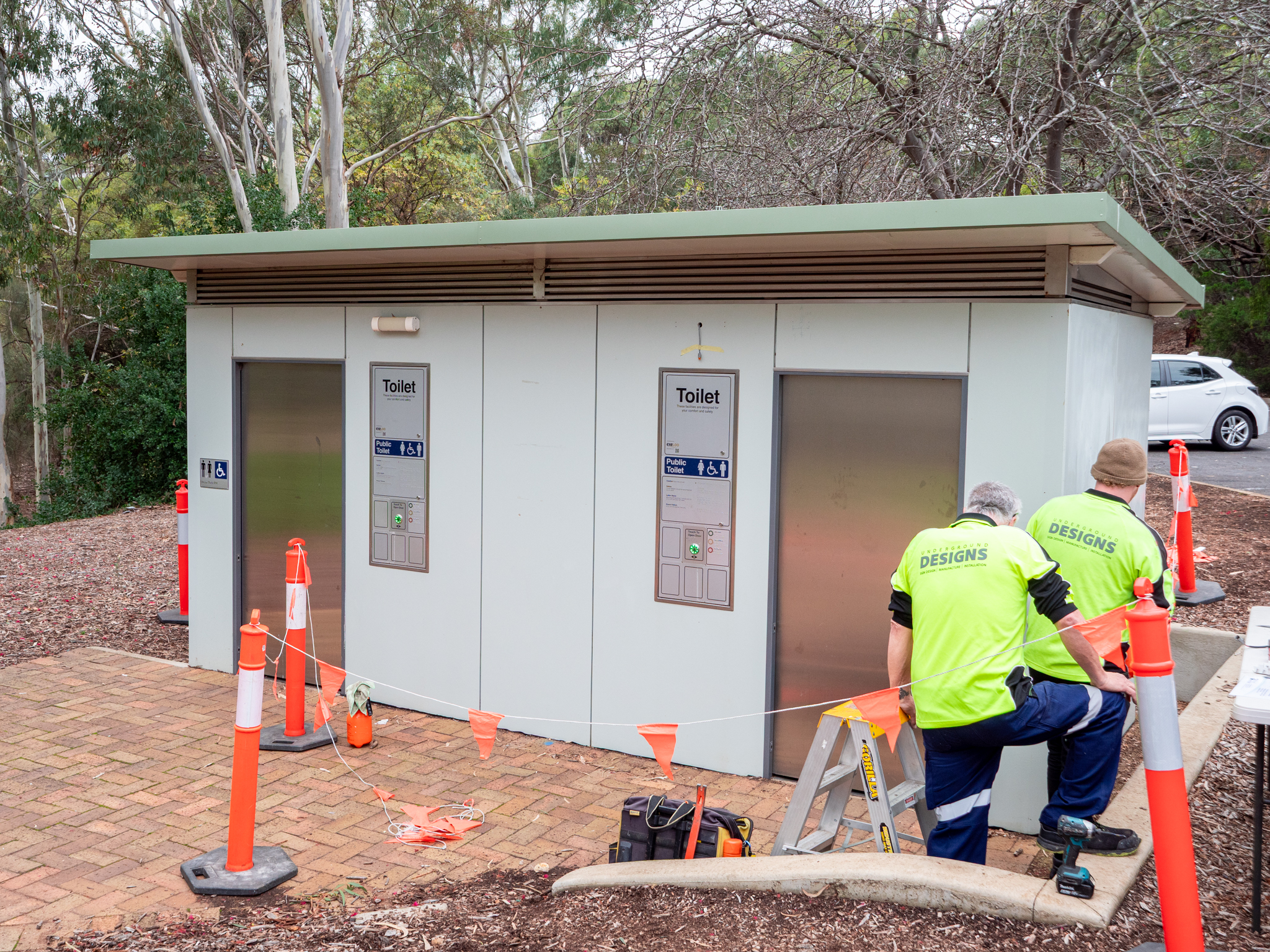
Before
After

-
Windback Wednesday - Ilfracombe Drive
Share Windback Wednesday - Ilfracombe Drive on Facebook Share Windback Wednesday - Ilfracombe Drive on X (formerly Twitter) Share Windback Wednesday - Ilfracombe Drive on Linkedin Email Windback Wednesday - Ilfracombe Drive link
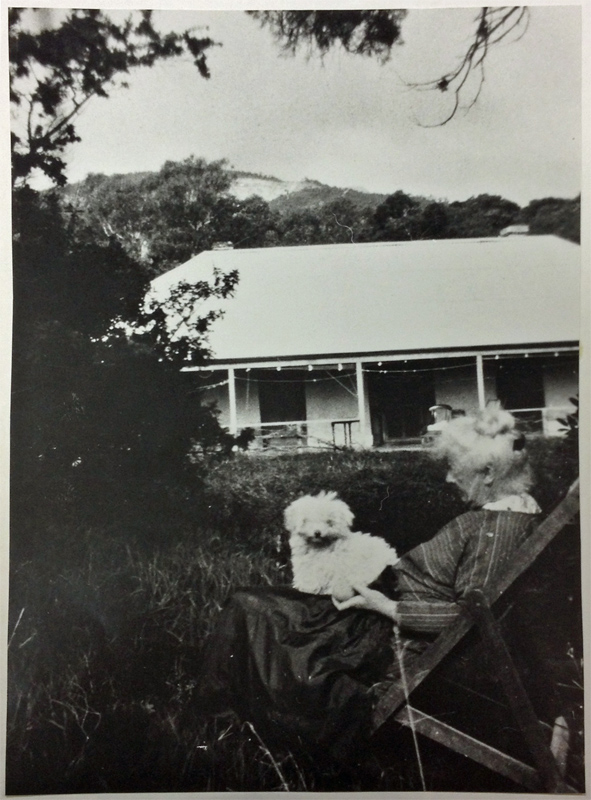
Ilfracombe Drive in Wattle Park takes its name from Ilfracombe House, which once stood nearby. The house was built circa 1847 for Dr James George Nash, South Australia’s second Colonial Surgeon, on the cooler slopes of his 40-acre property—just below the present site of the Wattle Park Reservoir—so he could better escape the summer heat.
Dr Nash named the home “Ilfracombe” after the seaside resort in Devon, England. The Nash family lived there until returning to England in 1856, after which the property passed through several tenants. In 1870, the house was converted into a reformatory for destitute and criminalContinue reading
Ilfracombe Drive in Wattle Park takes its name from Ilfracombe House, which once stood nearby. The house was built circa 1847 for Dr James George Nash, South Australia’s second Colonial Surgeon, on the cooler slopes of his 40-acre property—just below the present site of the Wattle Park Reservoir—so he could better escape the summer heat.
Dr Nash named the home “Ilfracombe” after the seaside resort in Devon, England. The Nash family lived there until returning to England in 1856, after which the property passed through several tenants. In 1870, the house was converted into a reformatory for destitute and criminal boys. As the house itself offered limited space, the boys constructed a dormitory on the hill behind it. However, once the children were relocated in 1877 to the Magill Orphanage or the boys’ reformatory hulk Fitzjames, the poorly built dormitory quickly fell into disrepair. By November 1879, a picnicking party reportedly witnessed its roof being completely blown off in a storm.
In the 1890s, Ilfracombe House and its surrounding land were purchased by Joseph Crompton, who subdivided the property into five large allotments, creating the estates of Bell Yett and Chiverton. The house itself remained on an eight-acre parcel and was used for various purposes, including serving as the head office for Stonyfell Vineyards. Eventually, however, it was left vacant, fell into disrepair, and was demolished in 1960, after which the land was further subdivided.

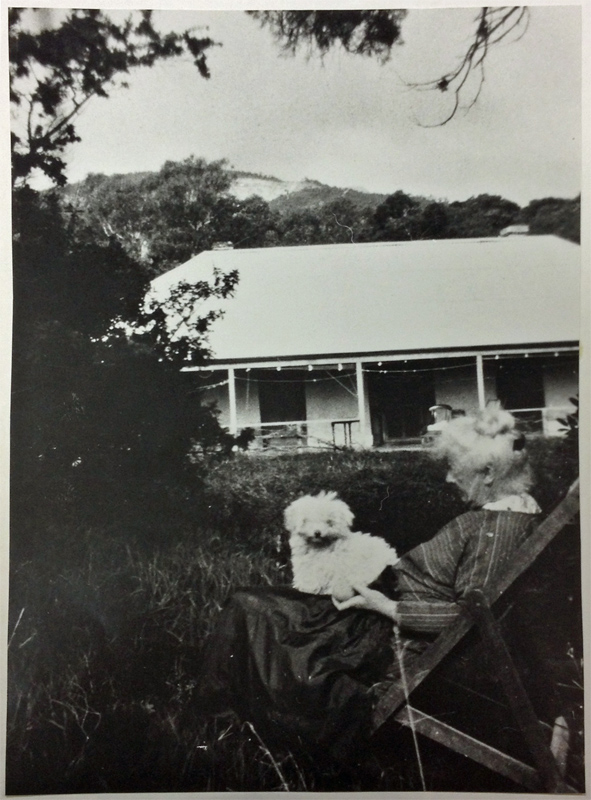
Photograph: Ilfracombe House facing north and a friend of the Martin family, Laura Gee, sits with her poodle Fifi (circa 1925-1930). Burnside Local History Collection.
-
Windback Wednesday - High Street
Share Windback Wednesday - High Street on Facebook Share Windback Wednesday - High Street on X (formerly Twitter) Share Windback Wednesday - High Street on Linkedin Email Windback Wednesday - High Street link
Have you ever wondered why so many towns have a “High Street”?
The meaning of “high” wasn’t always about elevation. In Middle English, it meant importance or status, and was later applied to major roads. By the 17th century, “highway” was the term for public roads connecting settlements.
As towns developed, the High Street came to mean the main street where the most important shops and businesses were located and were the heart of community life.
When the village of Burnside established, High Street was its main street - so it likely took on the name for that reason: itContinue reading
Have you ever wondered why so many towns have a “High Street”?
The meaning of “high” wasn’t always about elevation. In Middle English, it meant importance or status, and was later applied to major roads. By the 17th century, “highway” was the term for public roads connecting settlements.
As towns developed, the High Street came to mean the main street where the most important shops and businesses were located and were the heart of community life.
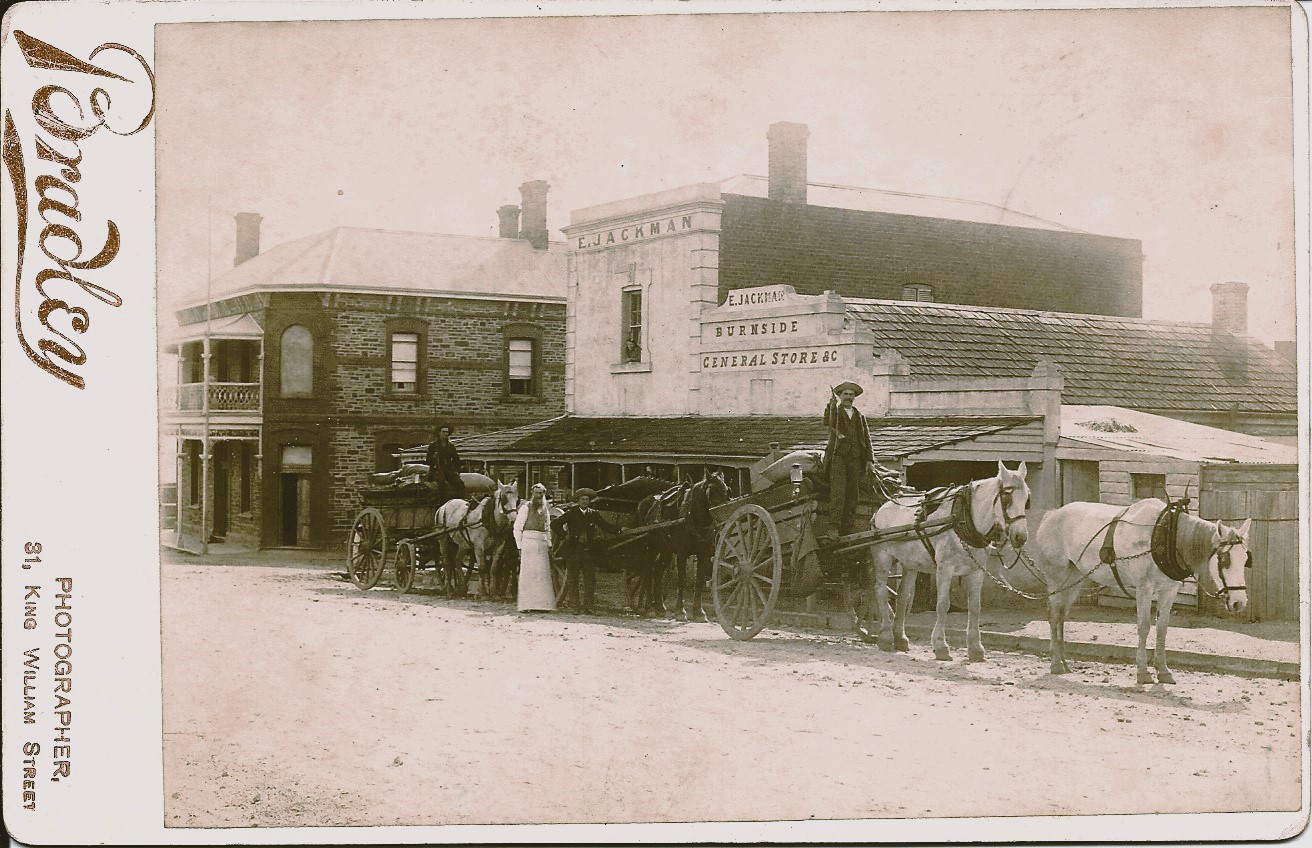
When the village of Burnside established, High Street was its main street - so it likely took on the name for that reason: it was the centre of activity. Prior to 1860 the street was known as ‘Laughton’s Road’ after the owner of the nearby ‘Ivymeade’.
In 1859-60, Joseph Lockwood built the shop and a two-room house on the corner of High Street and Lockwood Road. From 1863, Lockwood operated a post office from the store and acted as an agent for the Registrar of Birth, Death and Marriages. The building was later extended, adding a second storey.

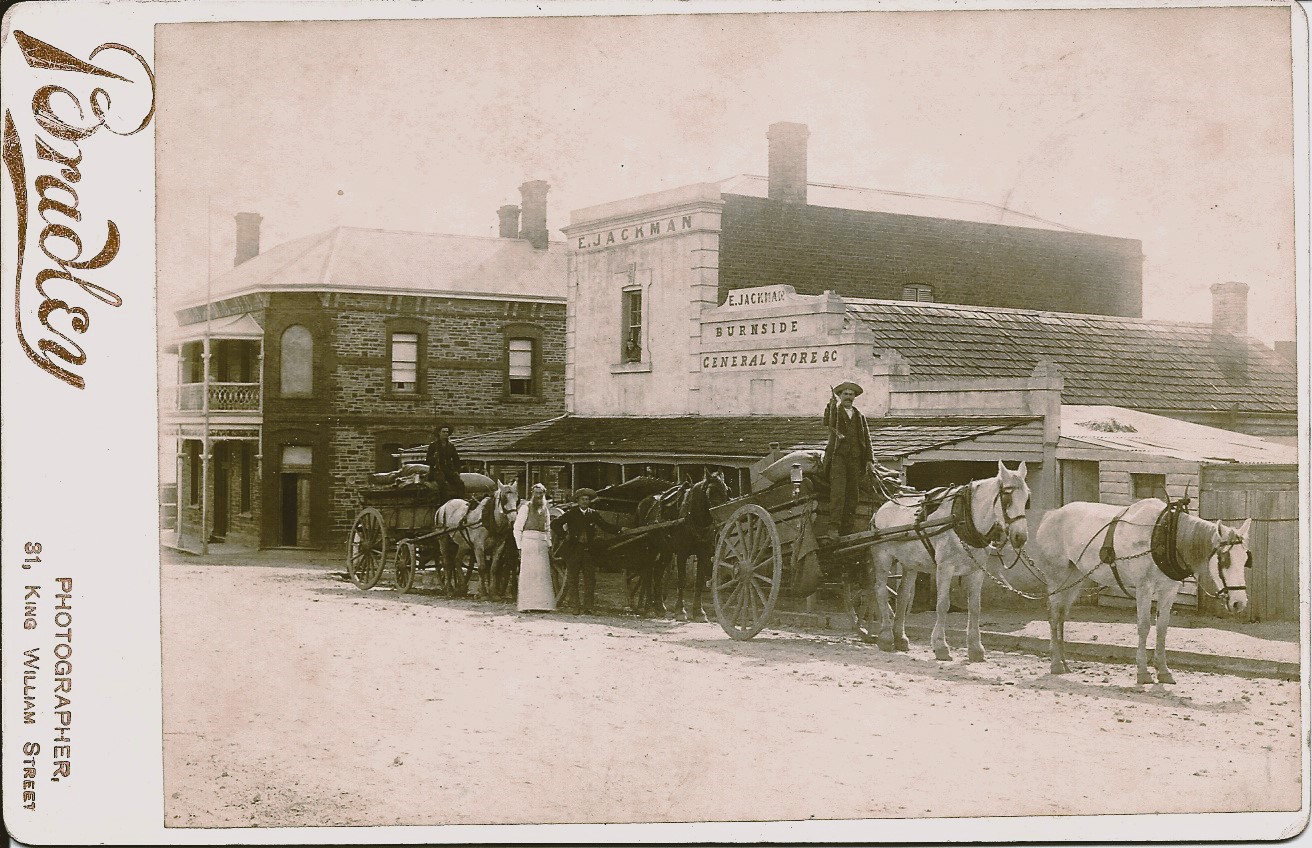
Photograph: General Store on High Street in Burnside, circa 1889. Burnside Local History Collection.
-
National Volunteer Week - Your Year to Volunteer
Share National Volunteer Week - Your Year to Volunteer on Facebook Share National Volunteer Week - Your Year to Volunteer on X (formerly Twitter) Share National Volunteer Week - Your Year to Volunteer on Linkedin Email National Volunteer Week - Your Year to Volunteer linkLast week we celebrated National Volunteer Week 2026 with the theme Your Year to Volunteer, recognising the incredible contribution volunteers make to communities across Australia while encouraging more people to get involved in ways that suit their interests, skills and lifestyles.
Nowhere is this more evident than in the City of Burnside, where 336 volunteers contribute across 34 different programs throughout our community. Collectively, these volunteers donate tens of thousands of hours each year, helping to strengthen connections, support local services and make Burnside a vibrant and welcoming place to live.
From supporting community programs and events, to assistingContinue reading
Last week we celebrated National Volunteer Week 2026 with the theme Your Year to Volunteer, recognising the incredible contribution volunteers make to communities across Australia while encouraging more people to get involved in ways that suit their interests, skills and lifestyles.
Nowhere is this more evident than in the City of Burnside, where 336 volunteers contribute across 34 different programs throughout our community. Collectively, these volunteers donate tens of thousands of hours each year, helping to strengthen connections, support local services and make Burnside a vibrant and welcoming place to live.
From supporting community programs and events, to assisting in our library services, environmental initiatives and neighbourhood activities, Burnside volunteers play an important role in creating a more connected and inclusive community.
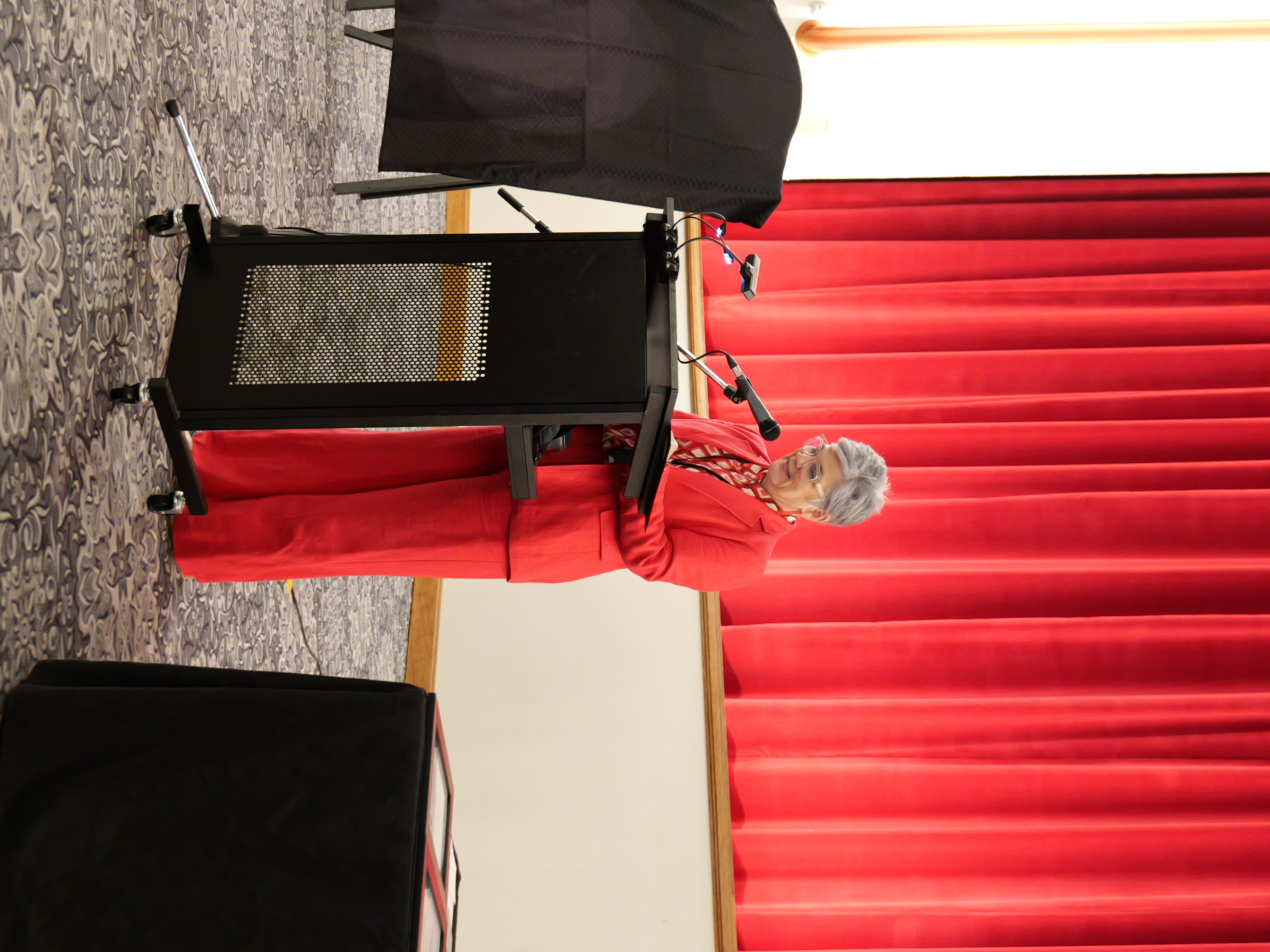
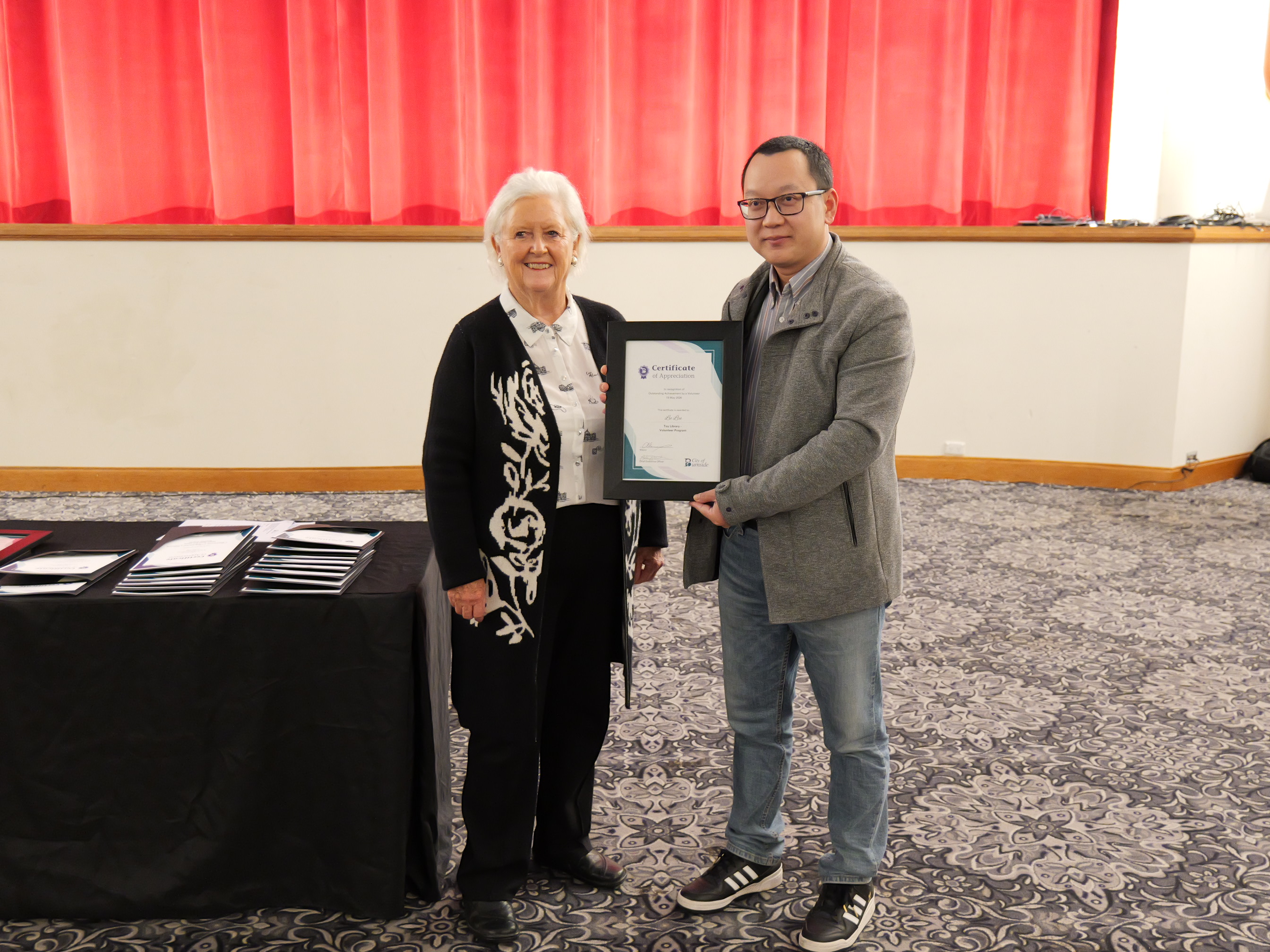
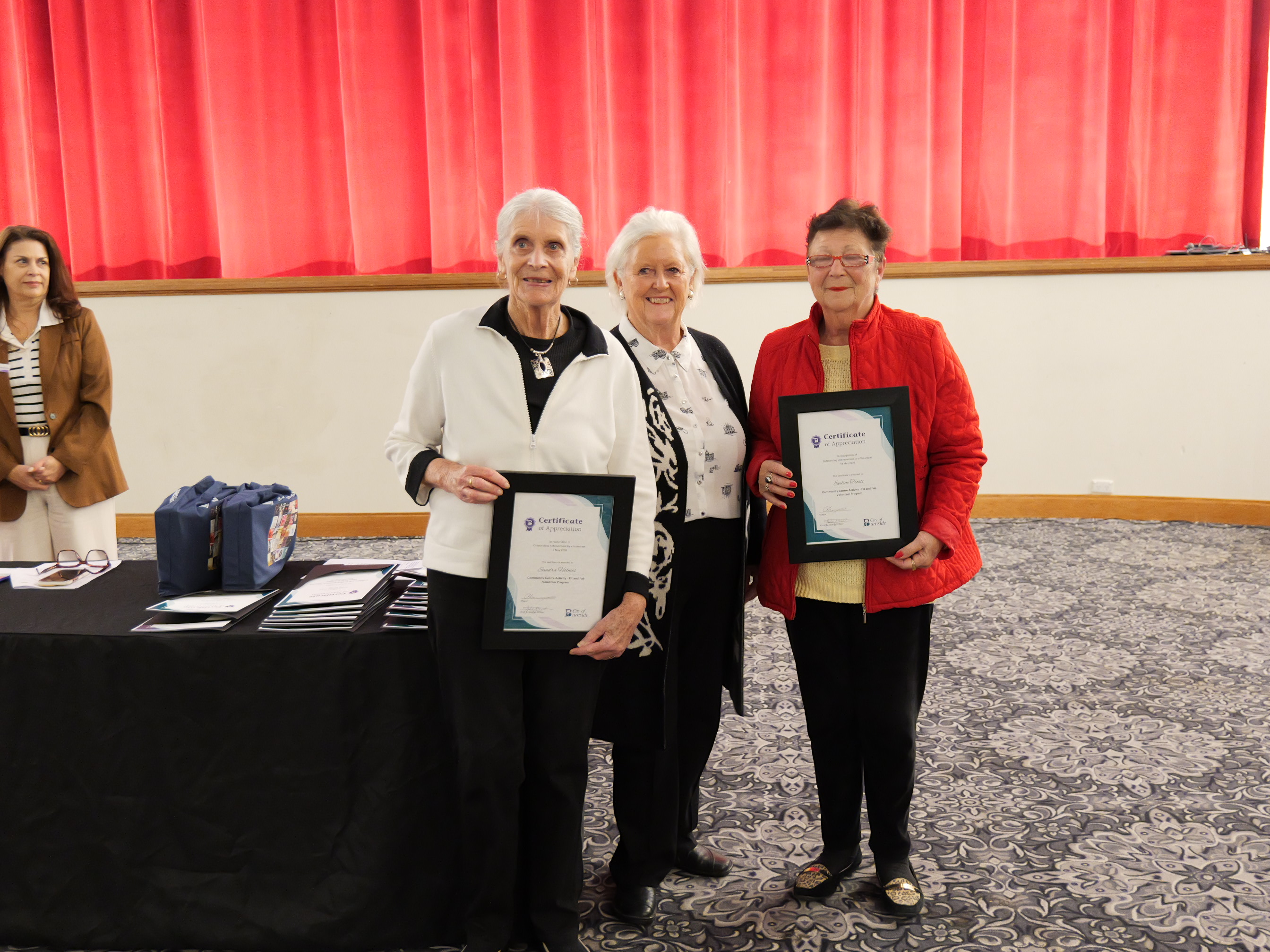
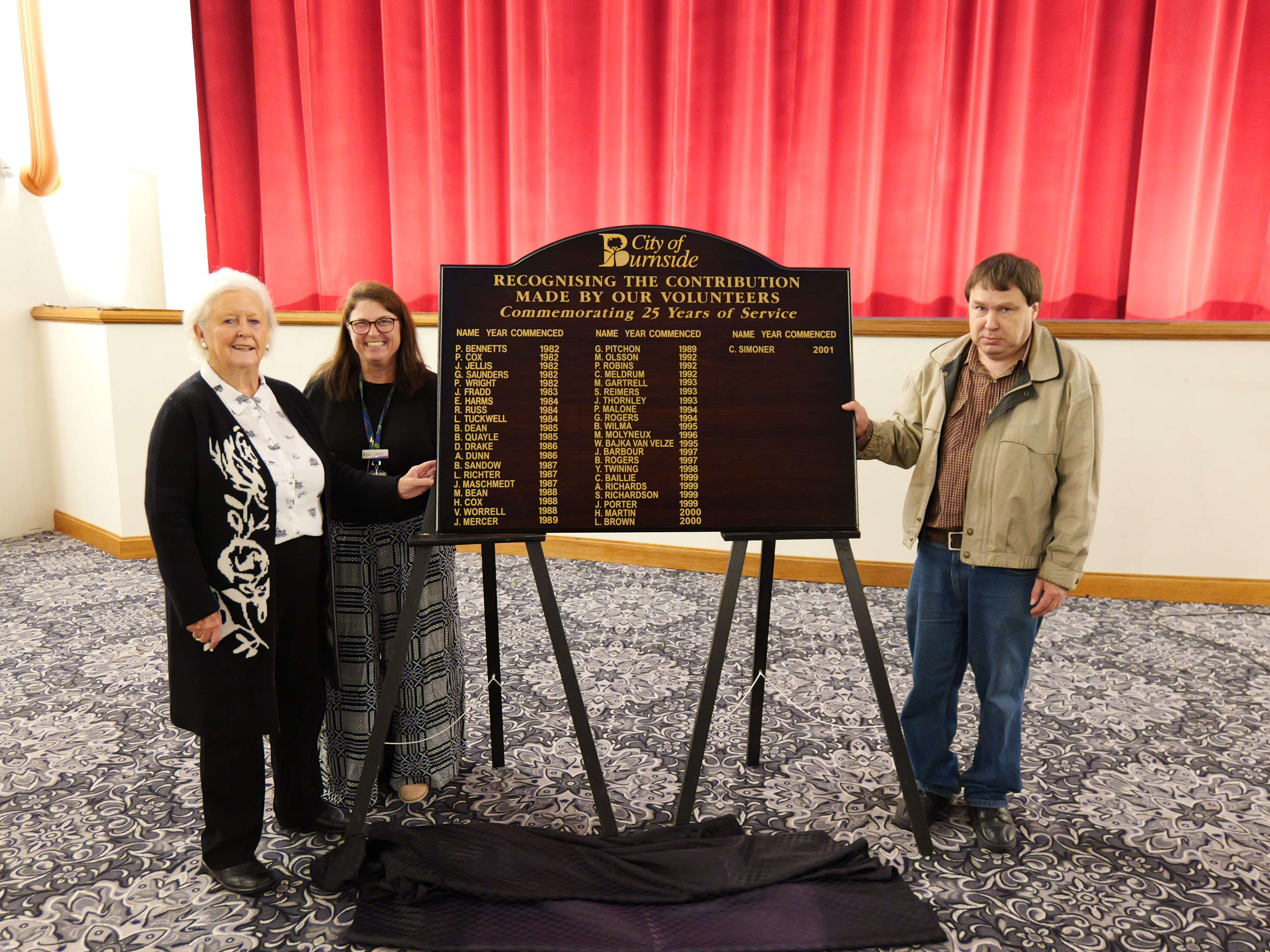
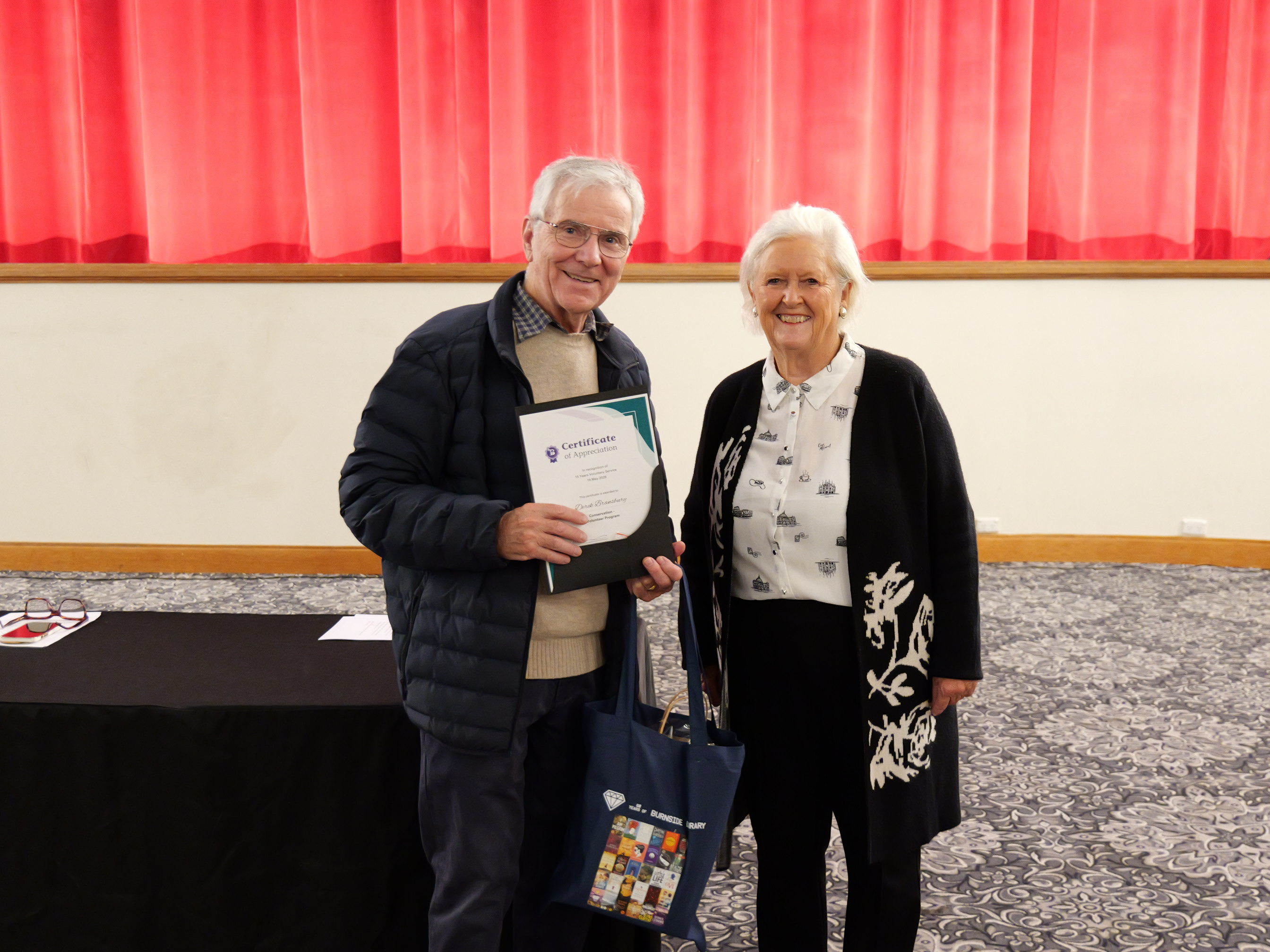
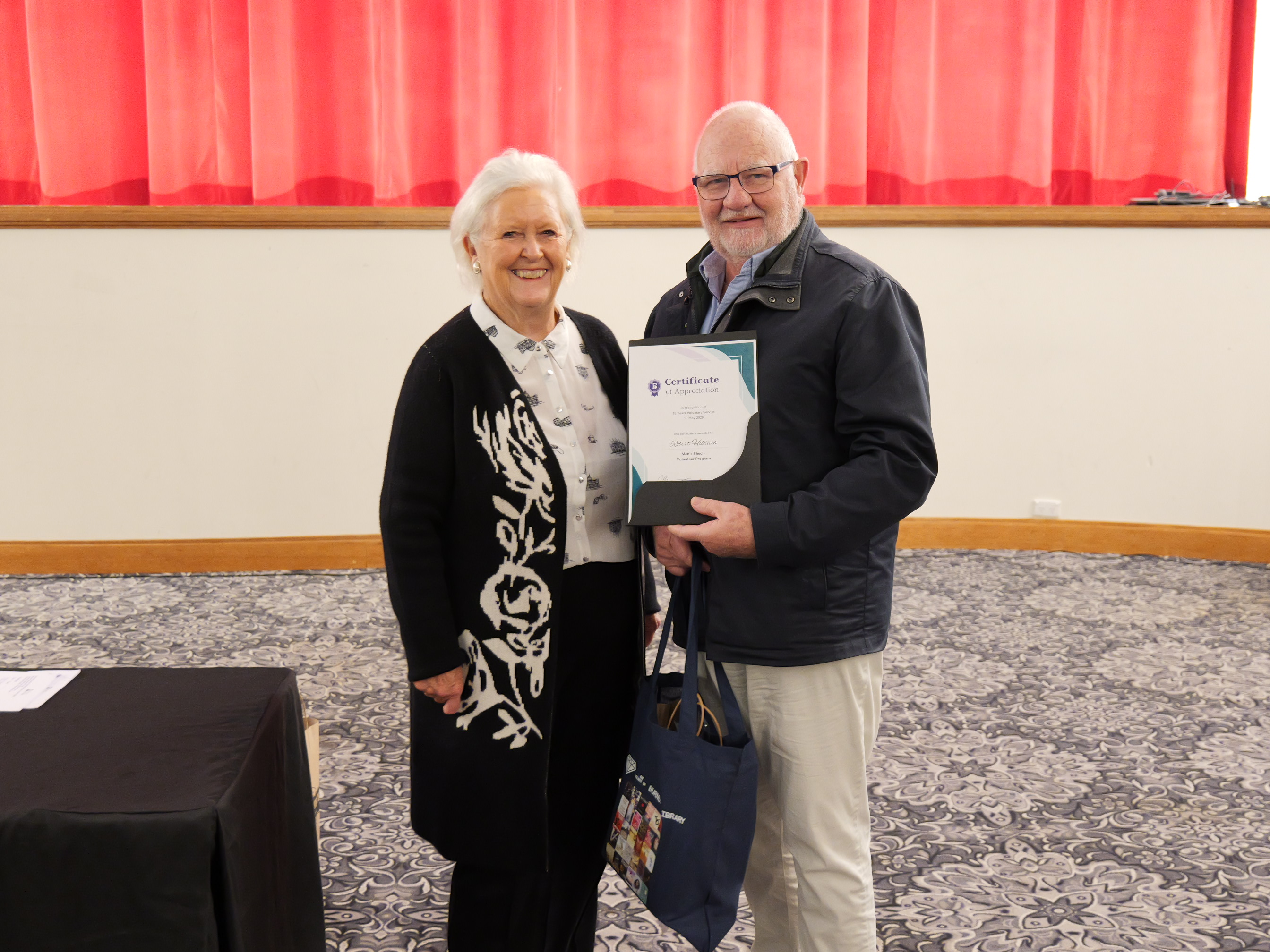
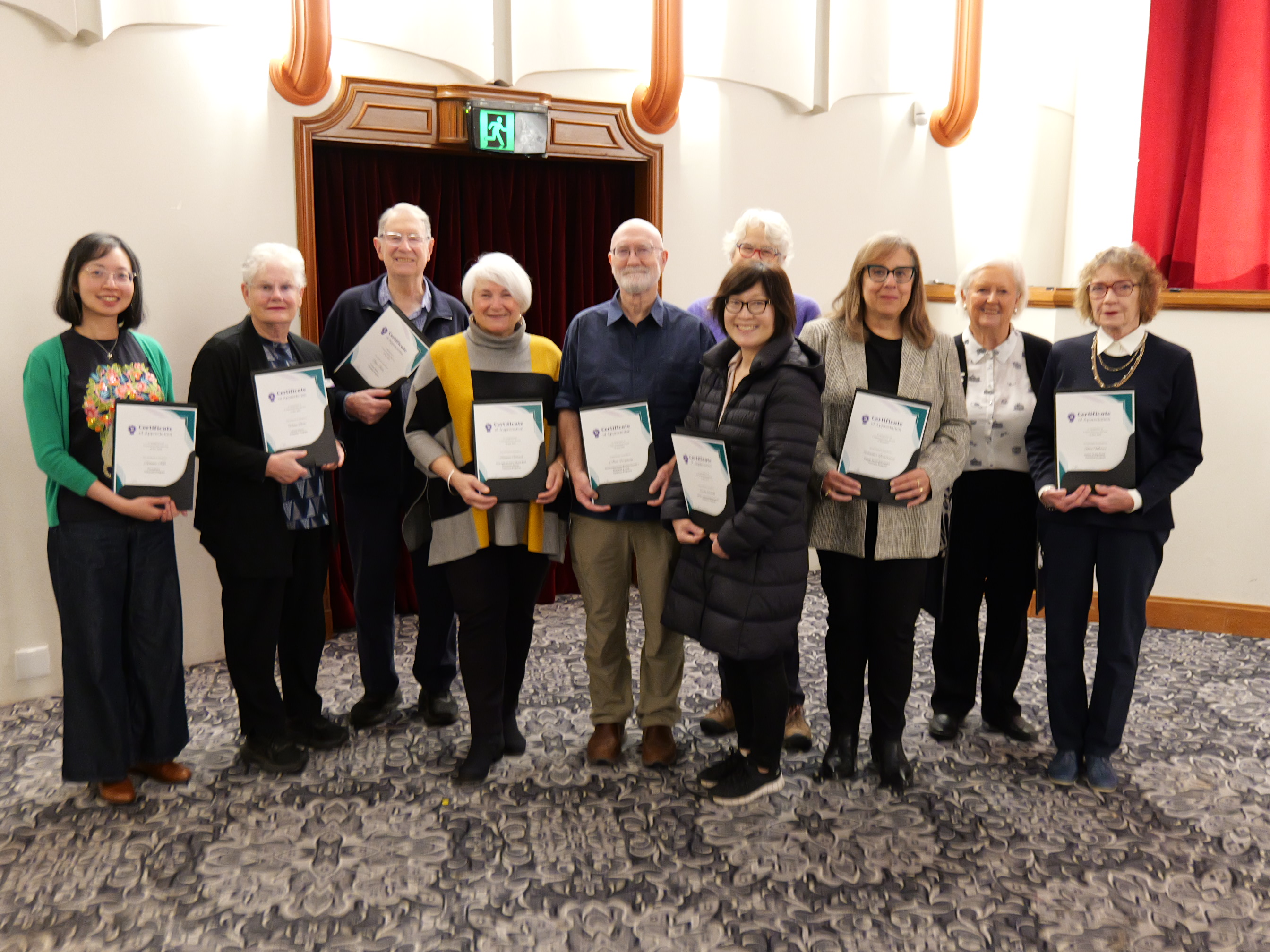
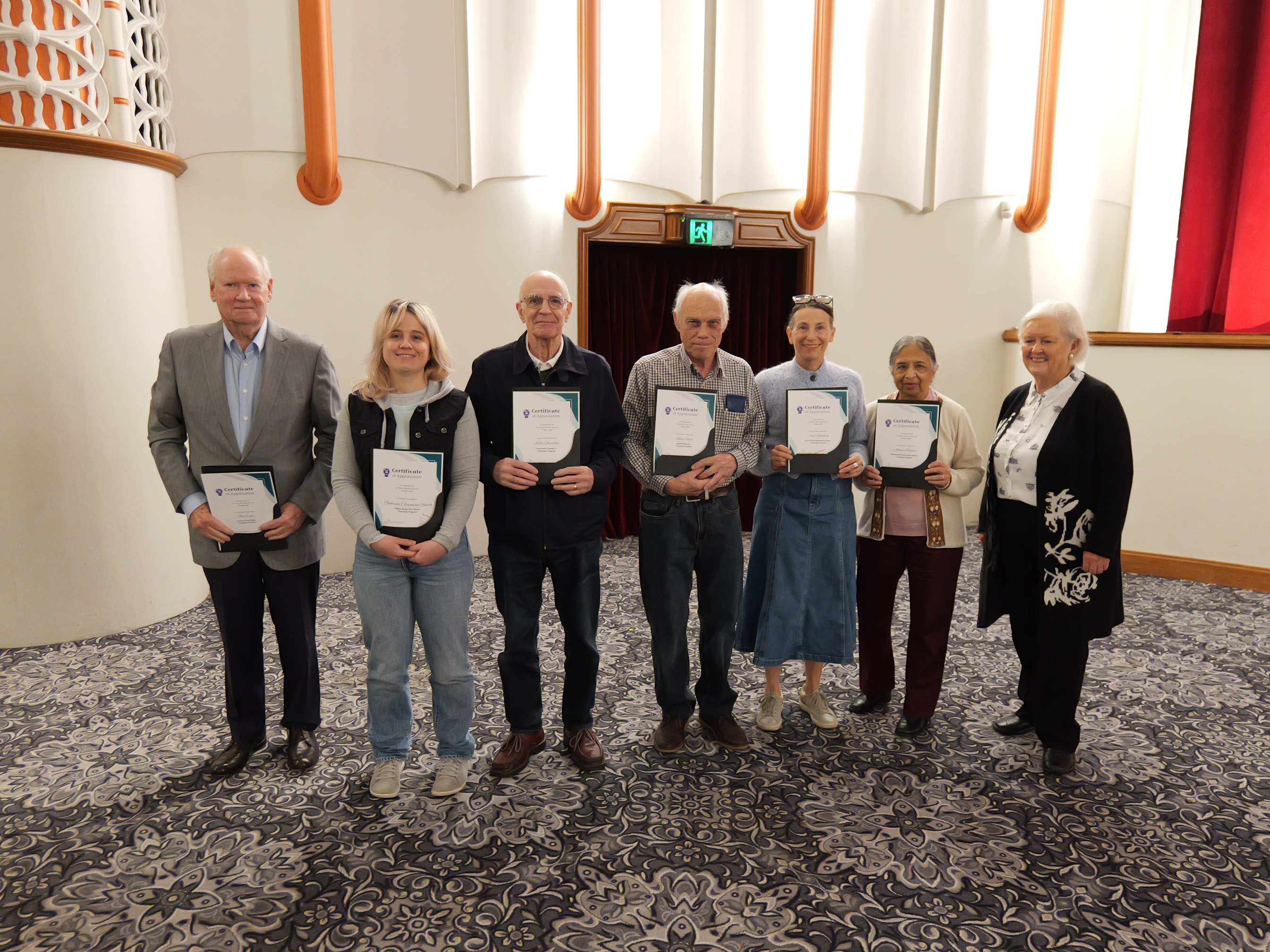
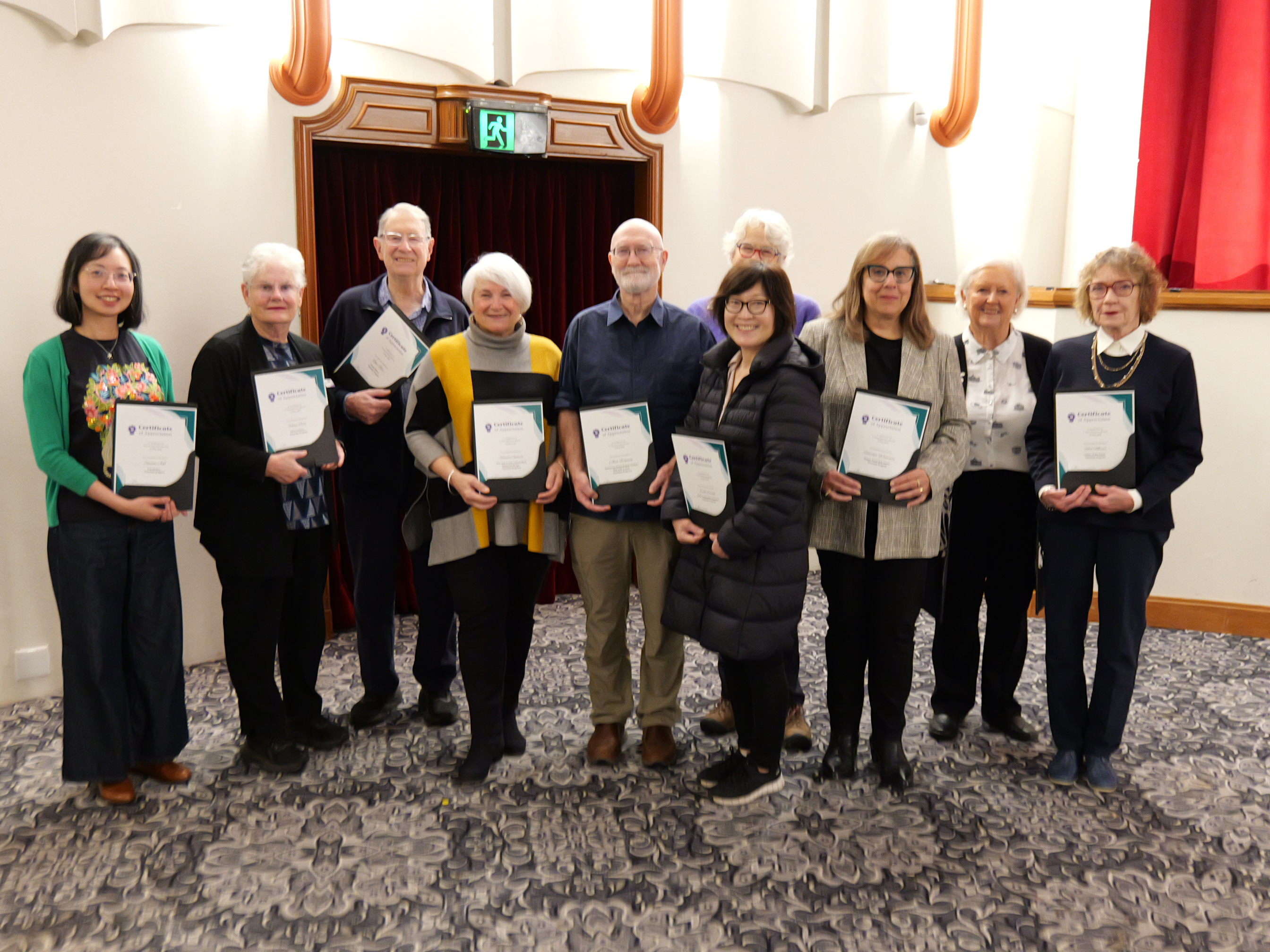
At a special celebration held at the Regal Theatre on 19 May 2026, Council recognised and thanked volunteers for their dedication and service with an awards ceremony and complimentary movie screening.
Several volunteers were acknowledged for milestone years of service, highlighting the lasting impact volunteers continue to have across the city. Outstanding contributions across a range of programs were also recognised, celebrating the passion, generosity and commitment shown by volunteers every day.
National Volunteer Week is Australia’s largest annual celebration of volunteering and in 2026 aligns with the International Year of Volunteers for Sustainable Development, recognising the important role volunteers play in building resilient and inclusive communities.
Across Australia, millions of people volunteer their time each year, contributing their skills, knowledge and care to support others and strengthen local communities.
Congratulations to all our outstanding volunteers for their hard work, dedication and commitment to making Burnside the best it can be.
If you would like this to be the year you volunteer with the City of Burnside, visit our ‘Volunteer Vacancies’ page or email volunteer@burnside.sa.gov.au.
-
Windback Wednesday - Glen Osmond Road
Share Windback Wednesday - Glen Osmond Road on Facebook Share Windback Wednesday - Glen Osmond Road on X (formerly Twitter) Share Windback Wednesday - Glen Osmond Road on Linkedin Email Windback Wednesday - Glen Osmond Road link
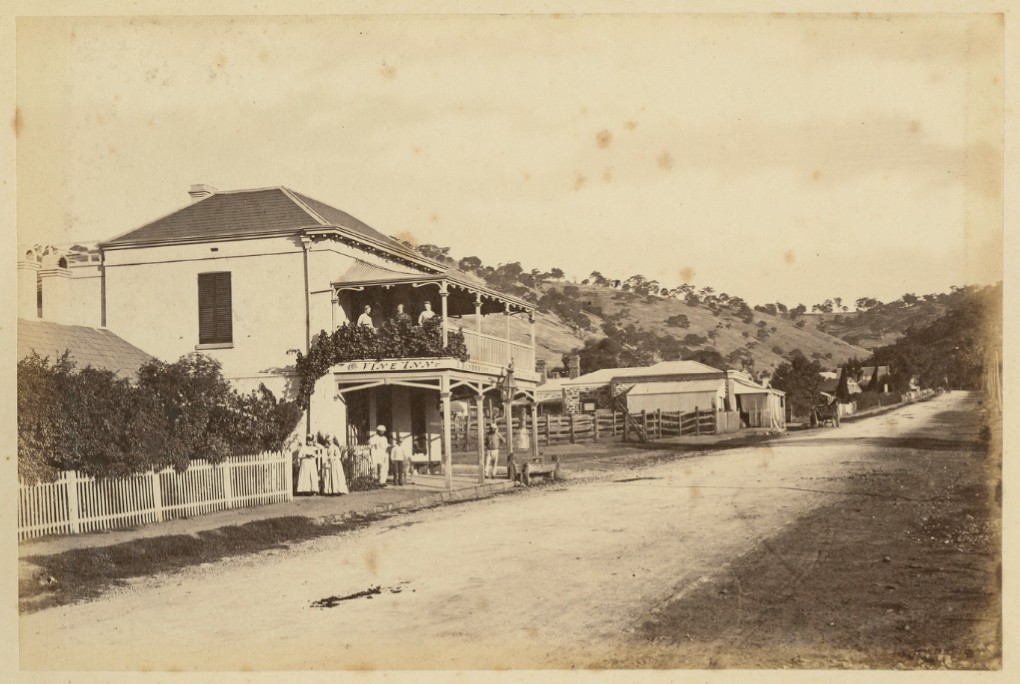
Glen Osmond Road is named after Osmond Gilles (1788–1866), the first Colonial Treasurer of South Australia and a prominent figure in the colony’s early civic and financial administration. Taking up the position upon his arrival on the HMS Buffalo in 1836, Gilles played a key role in managing the colony’s finances during its formative years.
Glen Osmond Road leads from the South Park Lands to Glen Osmond (Section 295), which Gilles acquired around 1839. There he built his residence, Glen Osmond Villa, later known as Woodley. In addition to his public service, Gilles was active in pastoral, charitable and culturalContinue reading
Glen Osmond Road is named after Osmond Gilles (1788–1866), the first Colonial Treasurer of South Australia and a prominent figure in the colony’s early civic and financial administration. Taking up the position upon his arrival on the HMS Buffalo in 1836, Gilles played a key role in managing the colony’s finances during its formative years.
Glen Osmond Road leads from the South Park Lands to Glen Osmond (Section 295), which Gilles acquired around 1839. There he built his residence, Glen Osmond Villa, later known as Woodley. In addition to his public service, Gilles was active in pastoral, charitable and cultural affairs, supporting early educational and philanthropic initiatives.
Osmond Gilles is commemorated in several Adelaide place names, including Glen Osmond, Mount Osmond and Osmond Terrace (among many others), reflecting his lasting influence on South Australia’s early colonial development.

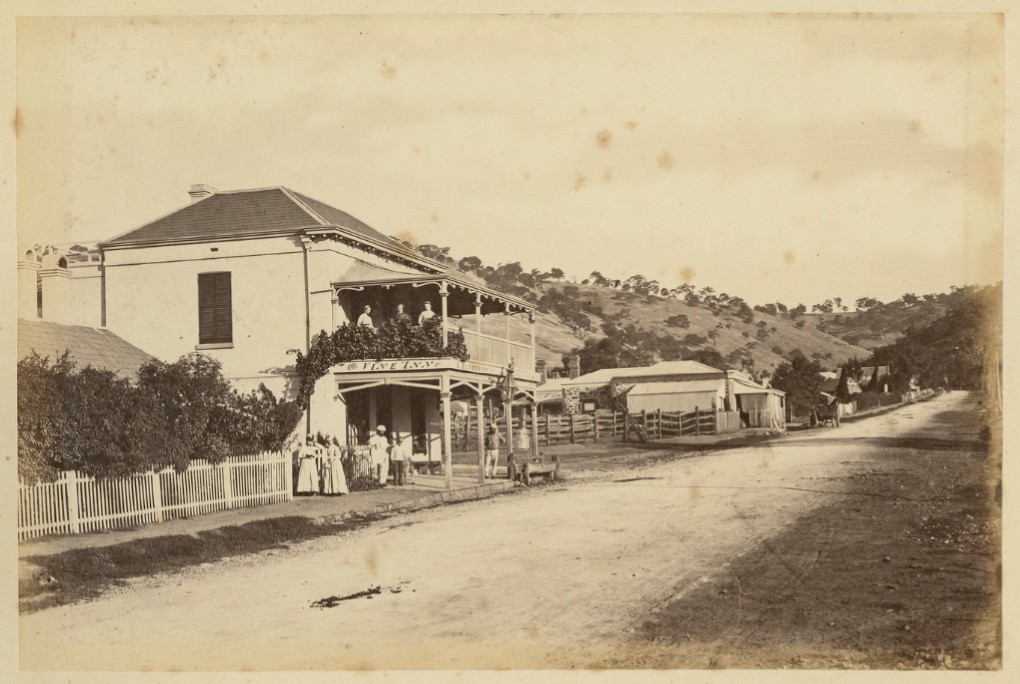
Photo: Vine Inn on Glen Osmond Road, Glen Osmond, circa 1880, State Library of South Australia, B 73191.
-
Windback Wednesday - Finniss Terrace
Share Windback Wednesday - Finniss Terrace on Facebook Share Windback Wednesday - Finniss Terrace on X (formerly Twitter) Share Windback Wednesday - Finniss Terrace on Linkedin Email Windback Wednesday - Finniss Terrace link
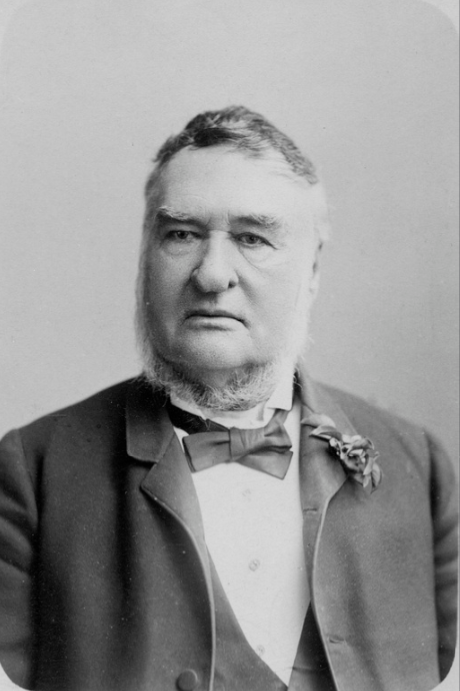
Finniss Terrace in Burnside is named after Boyle Travers Finniss (1807–1893), the first Premier of South Australia. Finniss arrived at Kangaroo Island in 1836 and before entering politics, served as a surveyor with Colonel Light’s party, helping to map the early layout of Adelaide and its surrounding districts.
His connection to Burnside stems from his purchase of a sawmill on First Street in 1840. Powered by a water race and waterwheel, the mill began operating in 1842, with the race running near the present-day Catholic church. The site later developed into a three-storey flour mill, but it was not aContinue reading
Finniss Terrace in Burnside is named after Boyle Travers Finniss (1807–1893), the first Premier of South Australia. Finniss arrived at Kangaroo Island in 1836 and before entering politics, served as a surveyor with Colonel Light’s party, helping to map the early layout of Adelaide and its surrounding districts.
His connection to Burnside stems from his purchase of a sawmill on First Street in 1840. Powered by a water race and waterwheel, the mill began operating in 1842, with the race running near the present-day Catholic church. The site later developed into a three-storey flour mill, but it was not a commercial success due to the intermittent water supply affected by seasonal changes. Finniss lived on the property until 1858, and part of the mill is now on display at the City of Burnside Civic Centre.

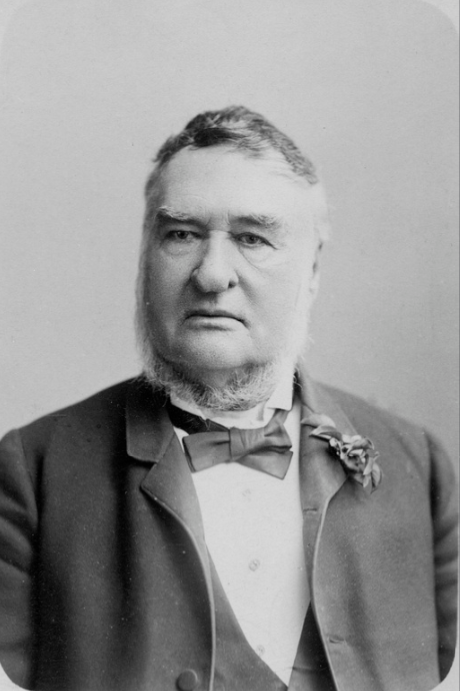
Photograph: Boyle Travers Finnis, c 1882. State Library of South Australia B 11204.
-
Putting Waste in the Right Place Saves Us All Money
Share Putting Waste in the Right Place Saves Us All Money on Facebook Share Putting Waste in the Right Place Saves Us All Money on X (formerly Twitter) Share Putting Waste in the Right Place Saves Us All Money on Linkedin Email Putting Waste in the Right Place Saves Us All Money link
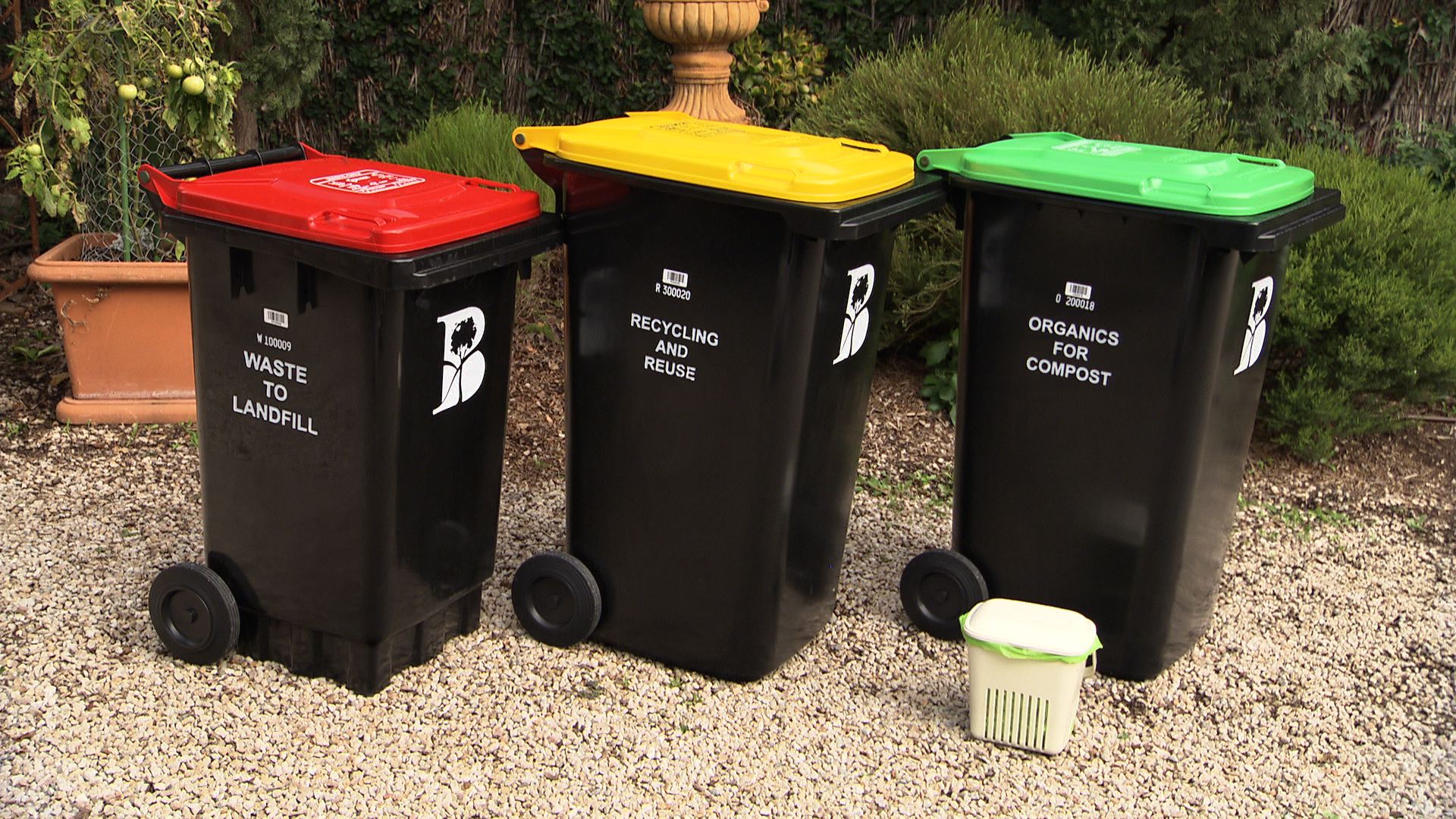
Did you know that most household waste can be recycled or composted? Putting the right items in the right bins isn’t just good practice, it’s one of the simplest ways our community can help keep waste management costs down.
Waste collection and disposal make up a significant portion of Council’s budget and those costs continue to rise. Landfill is by far the most expensive option, and when recyclable or compostable material ends up there, it increases disposal costs unnecessarily. Ultimately, those costs flow back to households through council rates. The good news? By using bins correctly, residents can help reduceContinue reading
Did you know that most household waste can be recycled or composted? Putting the right items in the right bins isn’t just good practice, it’s one of the simplest ways our community can help keep waste management costs down.
Waste collection and disposal make up a significant portion of Council’s budget and those costs continue to rise. Landfill is by far the most expensive option, and when recyclable or compostable material ends up there, it increases disposal costs unnecessarily. Ultimately, those costs flow back to households through council rates. The good news? By using bins correctly, residents can help reduce cost pressures.
Green Organics Bin – Better for Budgets and the Environment
Any food waste belongs in your green organics bin. This includes fruit and vegetable scraps, mouldy bread, leftovers, bones, seafood and coffee grounds. Many other items are also compostable and belong in the green organics bin, such as pizza boxes, cardboard clamshells, wooden cutlery, paper napkins, paper towel and tissues.
From a cost perspective, sending compostable materials to landfill costs more than five times as much sending it to a commercial composter. From an environmental perspective, composting is also the responsible choice. Food doesn’t break down quickly in landfill. In fact, food can remain there for decades. As it breaks down without oxygen, it produces methane, a powerful greenhouse gas.
Commercial composting facilities process food and garden waste efficiently and quickly, producing compost that can be used on farms and gardens. To keep this system working well, it’s important that organics bins stay clean. Only place food scraps, garden waste and items clearly labelled compostable in the green bin. Plastic bags and hard plastics do not belong there.
Recycling Bin – Quality Matters
Materials from yellow-lidded recycling bins are sorted at a Materials Recovery Facility using screens, magnets, conveyors, robots and hand sorting. Contamination such as soft plastics, clothing, crockery and batteries creates extra handling, and can damage machinery, creating additional costs and safety risks.
Burnside residents already have relatively low contamination rates, which helps reduce costs and ensures materials are recycled properly. The recycled materials also reduce demand for virgin materials and typically generate lower carbon emissions, delivering environmental benefits for the community.
By continuing to put the right things in the right bins, you can help Council deliver a responsible, cost‑effective waste management service that benefits the whole community.
Not sure which bin to use? Visit www.whichbin.sa.gov.au or call 1300 137 118.
-
More Than Just Cooking
Share More Than Just Cooking on Facebook Share More Than Just Cooking on X (formerly Twitter) Share More Than Just Cooking on Linkedin Email More Than Just Cooking linkThere’s more on the menu at Men’s Kitchen than just good food.
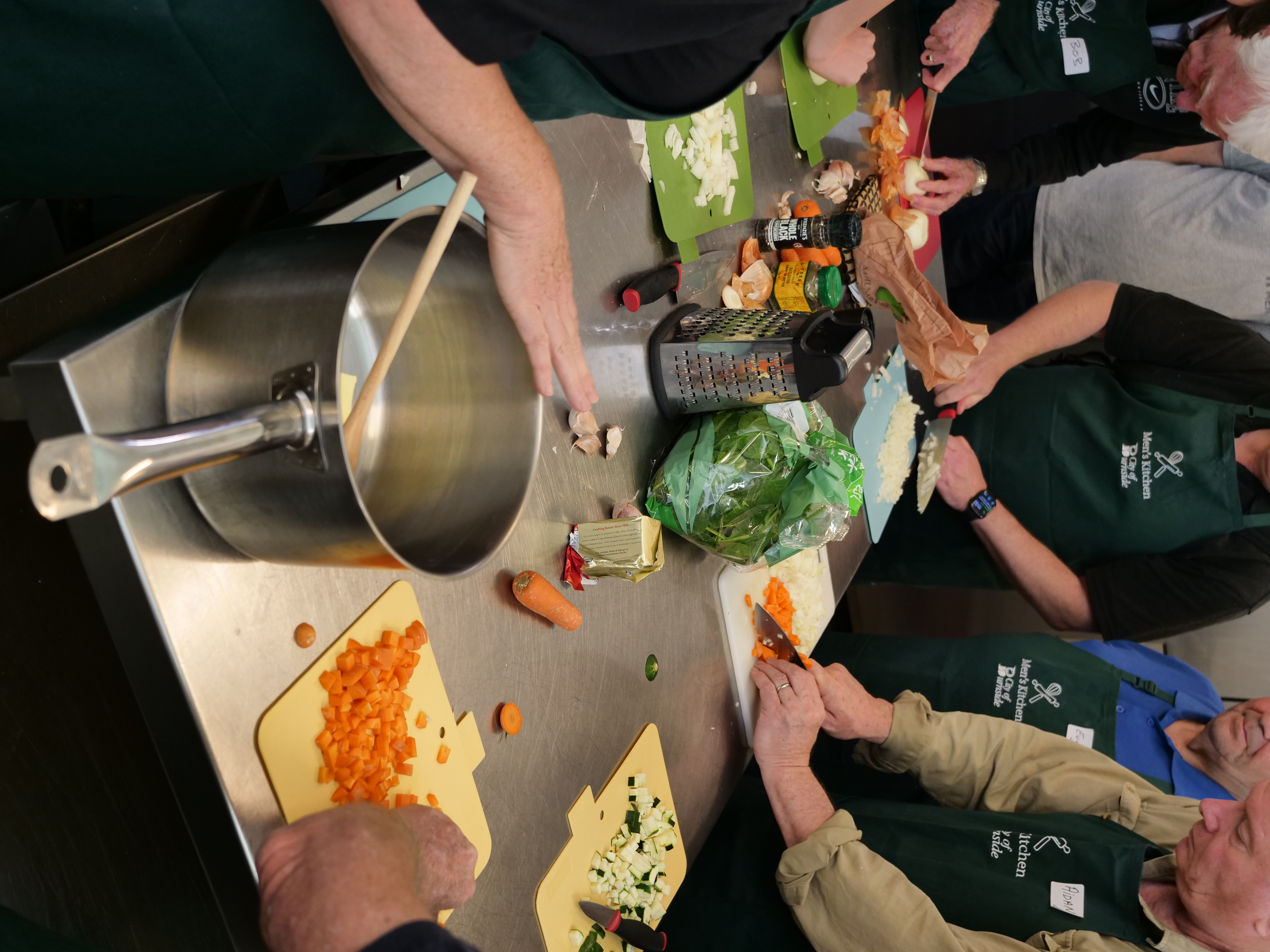
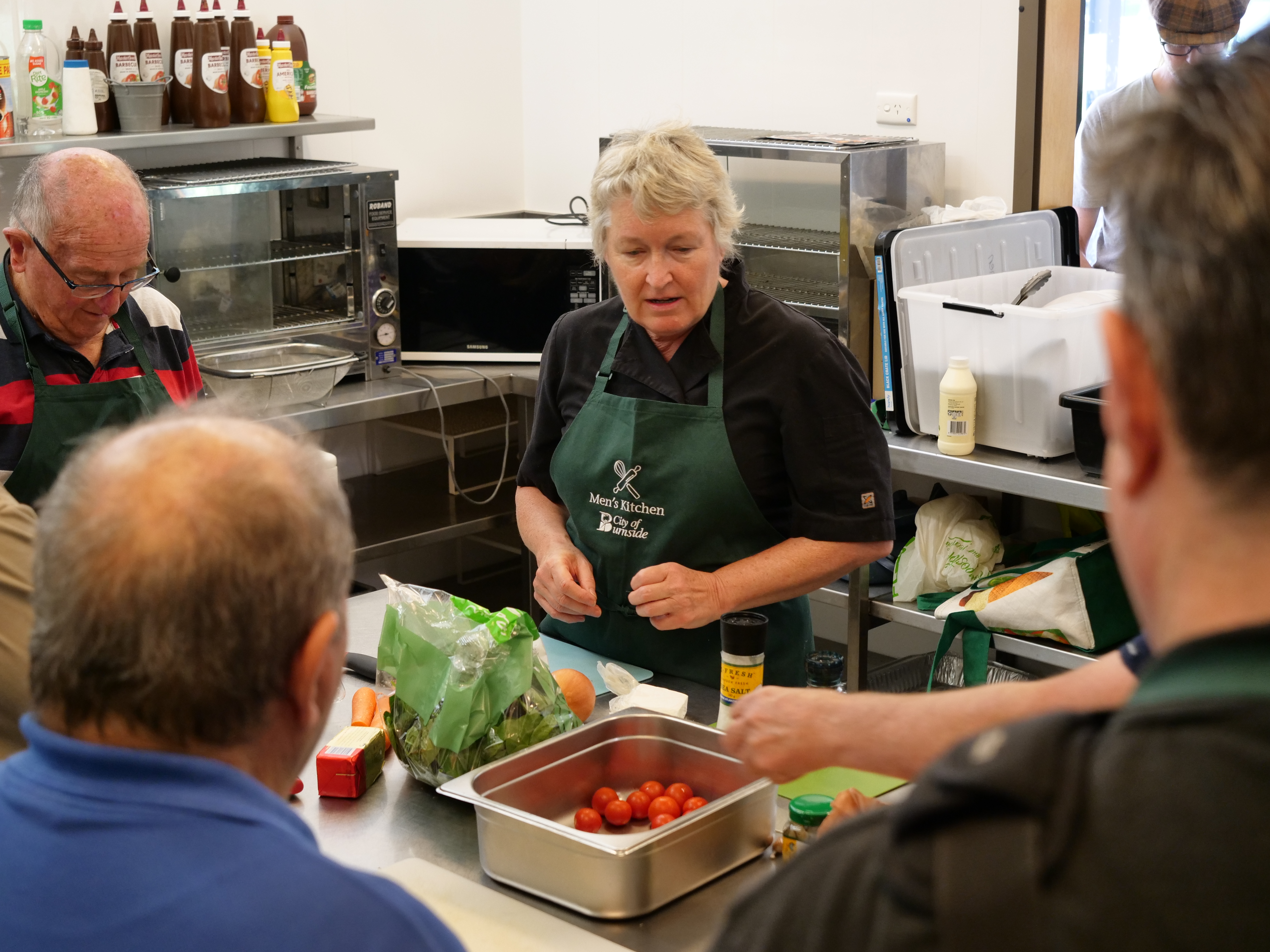
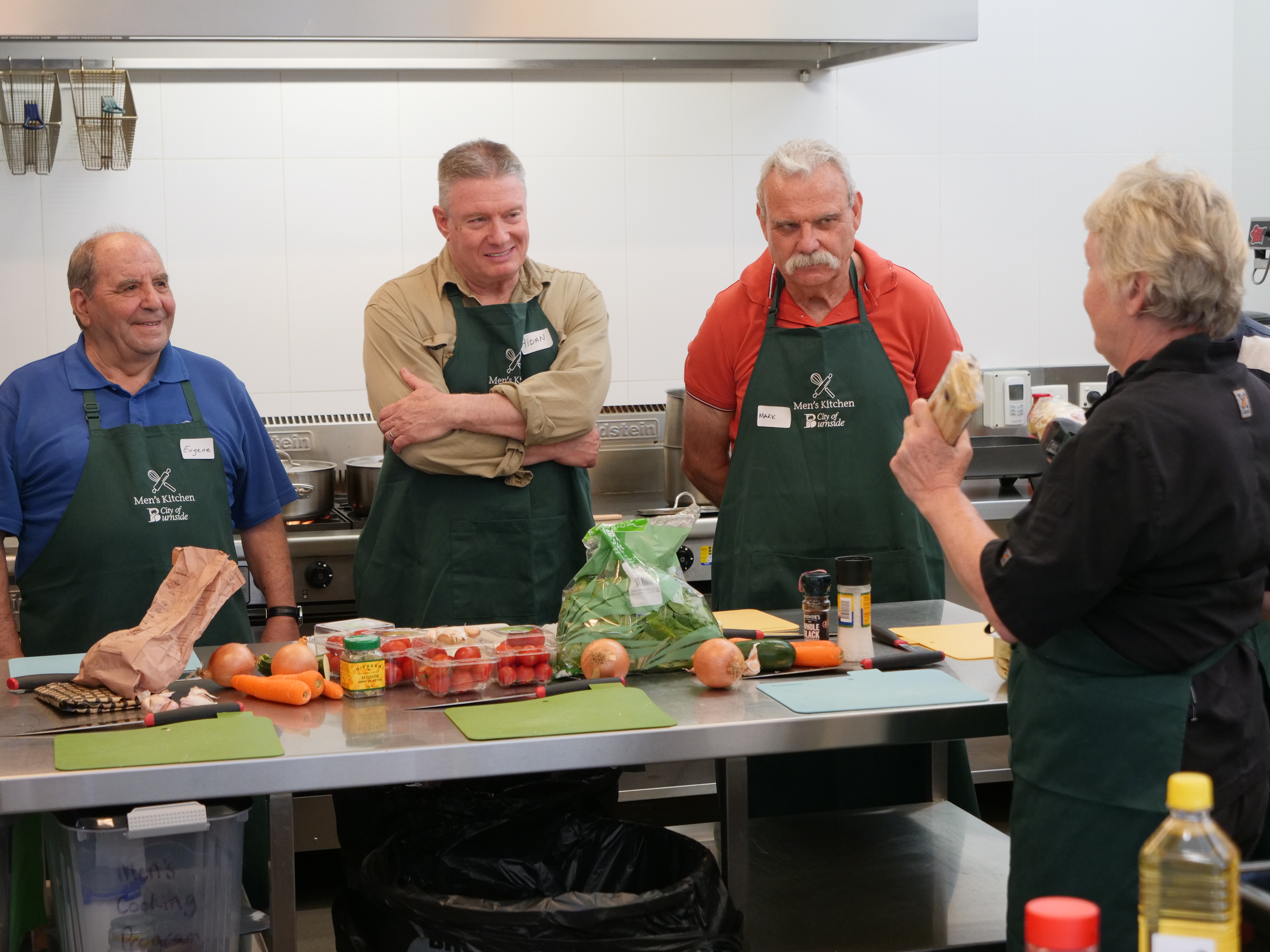
Designed for men aged 50+, this monthly program at the Glenunga Hub brings people together in a relaxed, welcoming environment where cooking becomes a shared experience. It’s a place to learn, laugh and connect - whether you’re picking up a knife for the first time or already confident in the kitchen.
Each session takes place in the Hub’s fully equipped community kitchen, where participants prepare simple, healthy meals while building practical skills along the way. From learning the basics to picking up new techniques, the program supports menContinue reading
There’s more on the menu at Men’s Kitchen than just good food.
Designed for men aged 50+, this monthly program at the Glenunga Hub brings people together in a relaxed, welcoming environment where cooking becomes a shared experience. It’s a place to learn, laugh and connect - whether you’re picking up a knife for the first time or already confident in the kitchen.
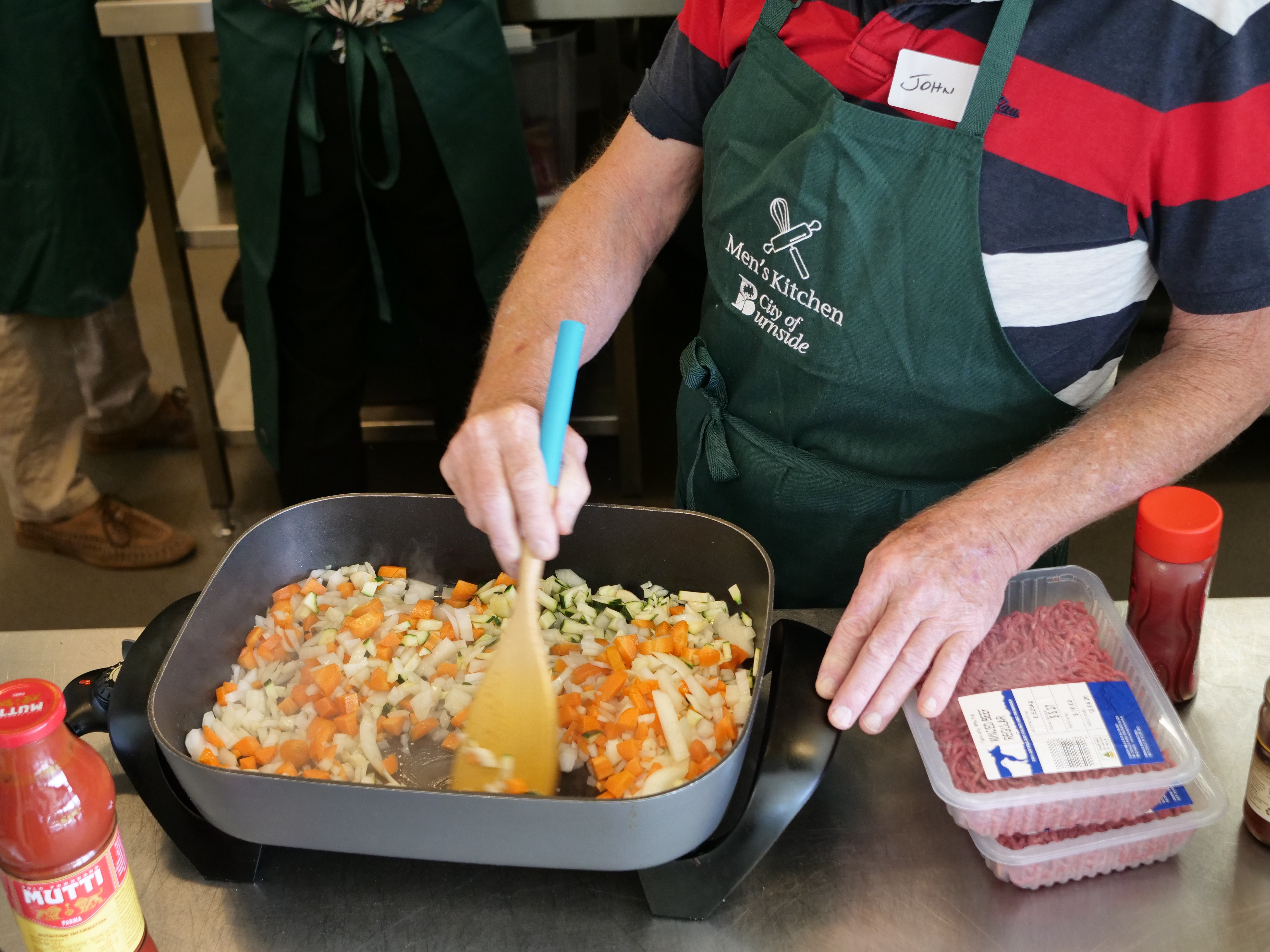
Each session takes place in the Hub’s fully equipped community kitchen, where participants prepare simple, healthy meals while building practical skills along the way. From learning the basics to picking up new techniques, the program supports men to cook with confidence, make the most of their ingredients and enjoy the process.
But what makes Men’s Kitchen truly special is what happens beyond the stovetop.
Participants share stories, swap tips and sit down together to enjoy the meals they’ve created, turning each session into a social experience as much as a learning one. It’s an opportunity to meet new people, strengthen connections and be part of a supportive group.
Head Chef Kate knows the importance these sessions have for many of the members who come along.
‘This is more than just a place to learn new recipes,’ Kate said, ‘a lot of these men come for the social aspect and to share a meal.’
‘Several members already know how to cook and have been doing it for years, but that is not what this is about.’
‘All the meals we learn are quick, simple and of course healthy.’
Delivered in partnership with Good Better Best Men, the program also plays an important role in promoting independence and reducing social isolation - all in a way that feels informal, practical and enjoyable.
Whether you’re looking to build your skills, get out of the house or simply share a good meal with good company, Men’s Kitchen offers something for everyone.
Learn. Cook. Connect.
Spaces are limited. For more information or to register your interest, contact our team at communitydevelopment@burnside.sa.gov.au, call 8366 4200 or visit bit.ly/CoB_MensKitchen