FOCUS On Burnside - the news hub

Share FOCUS On Burnside - the news hub on Facebook Share FOCUS On Burnside - the news hub on X (formerly Twitter) Share FOCUS On Burnside - the news hub on Linkedin Email FOCUS On Burnside - the news hub link
please update image and this caption / description


Welcome.

This is our media hub of all things Burnside.

A hub for local news about people, businesses and happenings in our community.


Welcome.

This is our media hub of all things Burnside.

A hub for local news about people, businesses and happenings in our community.


  • Windback Wednesday - George Bolton Swimming Centre

    Share Windback Wednesday - George Bolton Swimming Centre on Facebook Share Windback Wednesday - George Bolton Swimming Centre on X (formerly Twitter) Share Windback Wednesday - George Bolton Swimming Centre on Linkedin Email Windback Wednesday - George Bolton Swimming Centre link
    supporting image

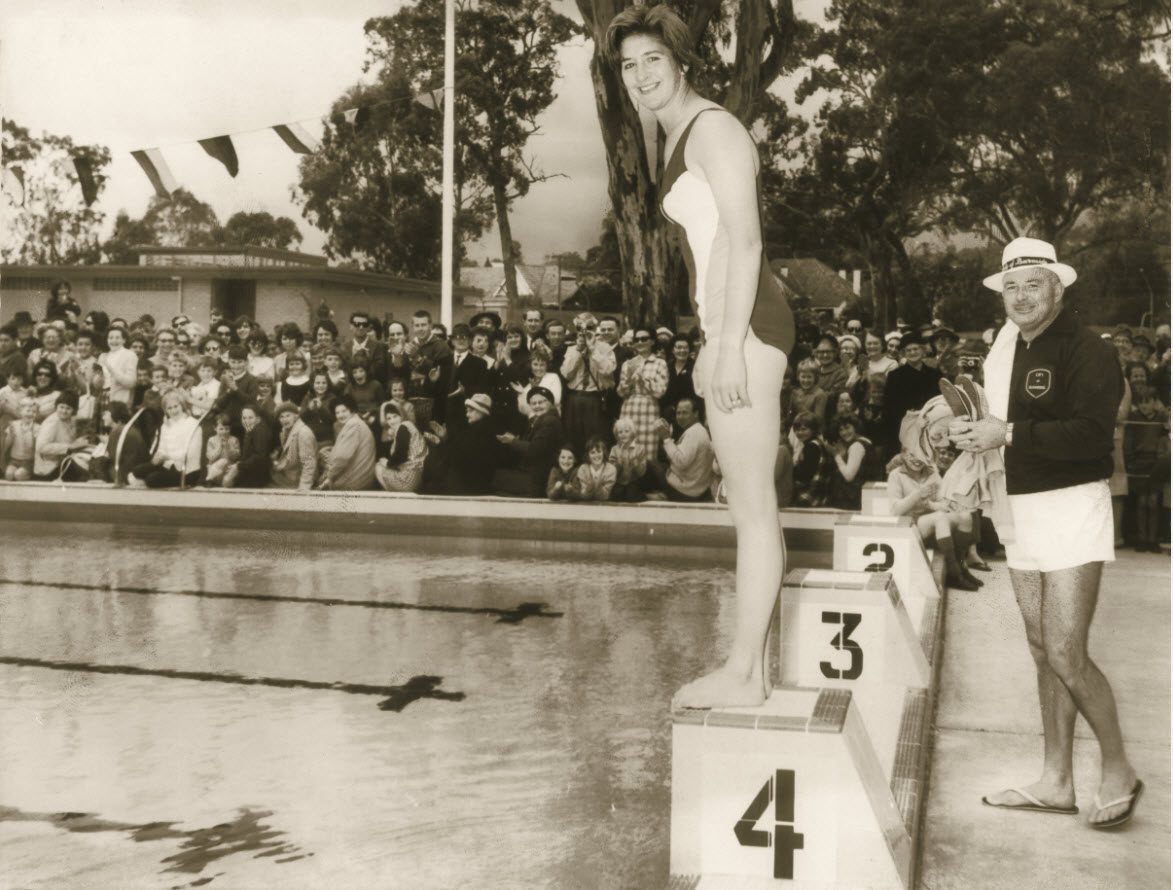
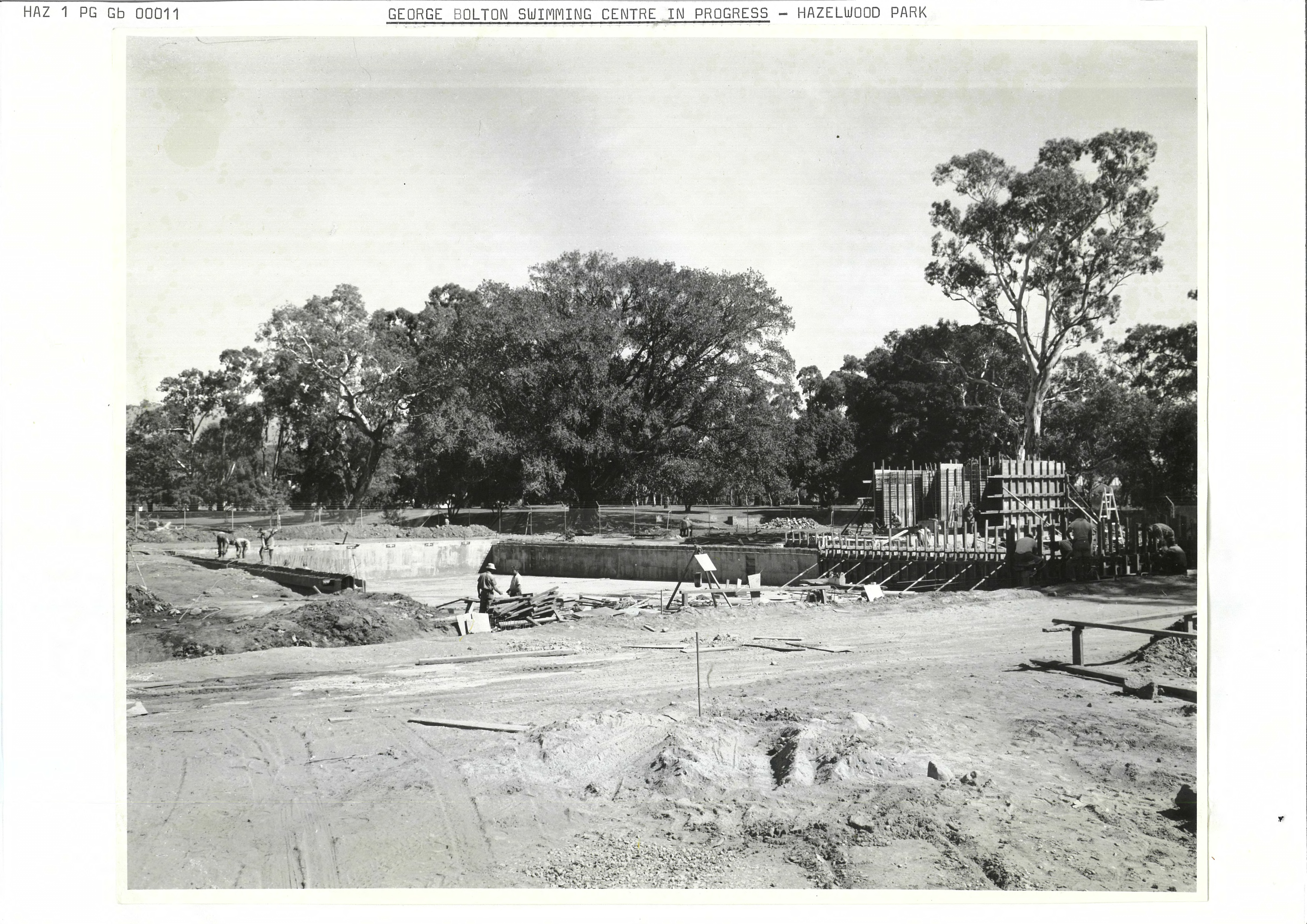
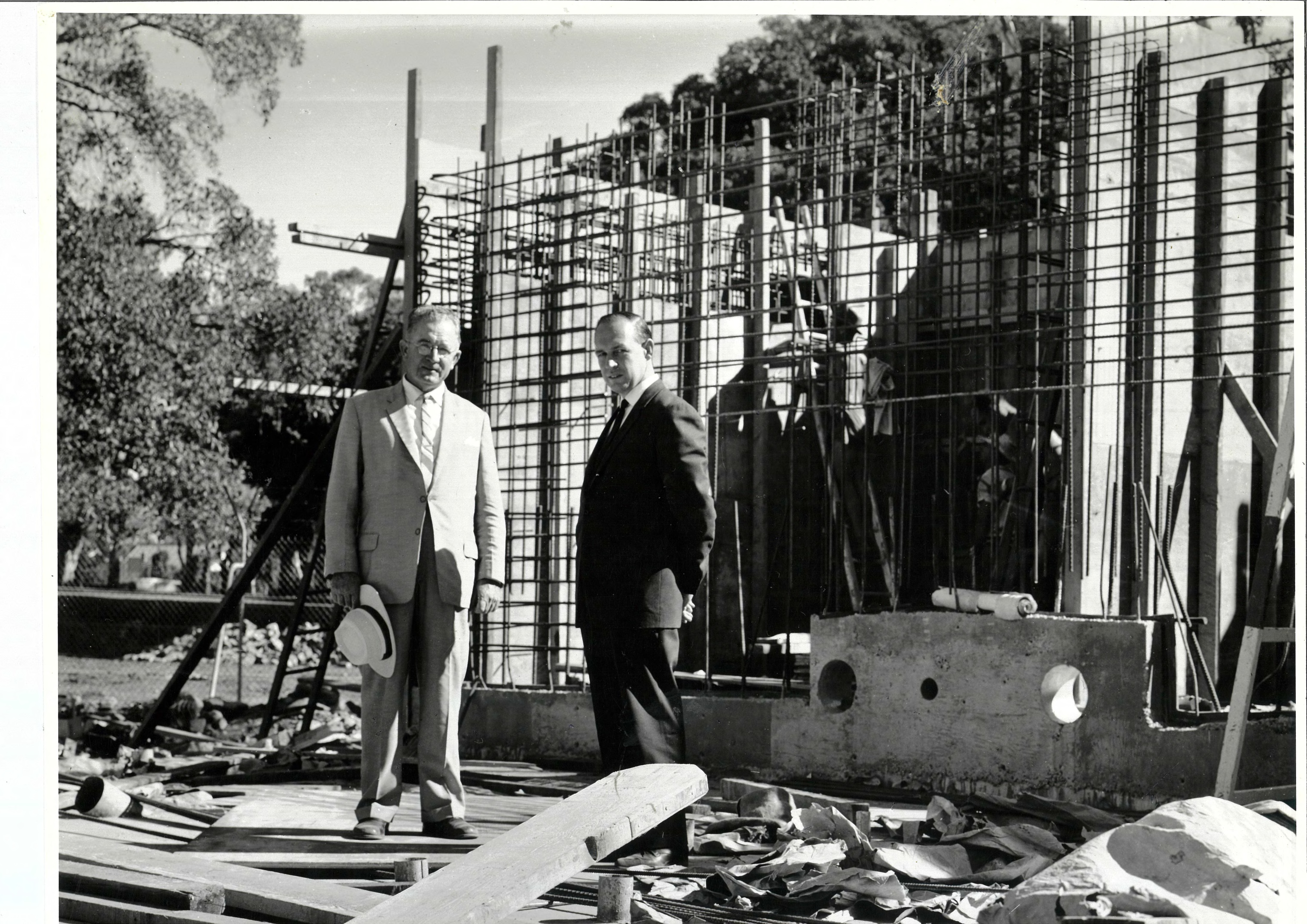
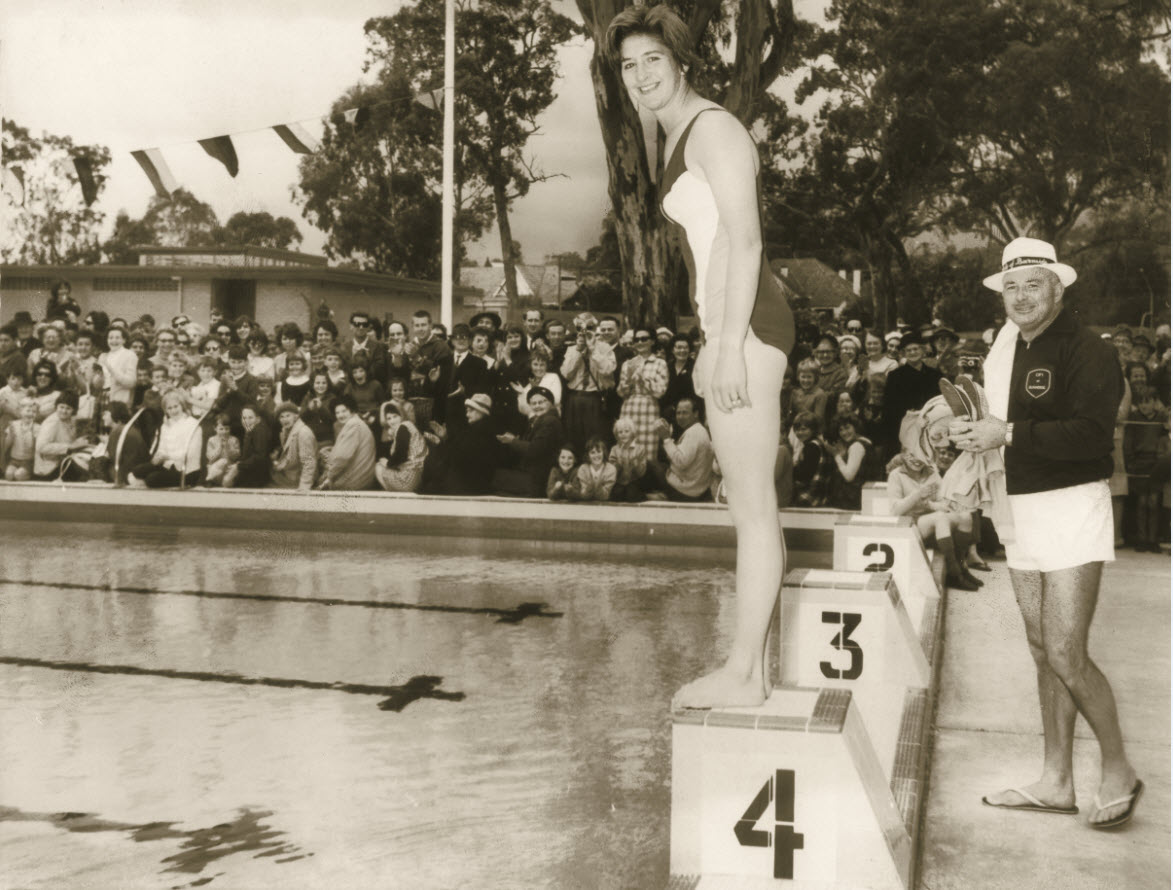
    The Burnside Swimming Centre officially opened on Saturday, 15 October 1966. In recognition of former Mayor George JH Bolton’s role in championing and establishing this facility, the centre was renamed the George Bolton Swimming Centre in 1968. The first person to enter the pool was Olympic champion Dawn Fraser, who dived from starting block number four to swim the inaugural lap before a crowd of approximately 1,000 spectators.

    Mayor Bolton also enjoyed an unofficial swim when he was thrown fully clothed into the pool by a Councillor and the assistant pool manager. Newspaper reports noted that he climbed out of

    The Burnside Swimming Centre officially opened on Saturday, 15 October 1966. In recognition of former Mayor George JH Bolton’s role in championing and establishing this facility, the centre was renamed the George Bolton Swimming Centre in 1968. The first person to enter the pool was Olympic champion Dawn Fraser, who dived from starting block number four to swim the inaugural lap before a crowd of approximately 1,000 spectators.

    Mayor Bolton also enjoyed an unofficial swim when he was thrown fully clothed into the pool by a Councillor and the assistant pool manager. Newspaper reports noted that he climbed out of the pool laughing, taking the good-natured prank in stride.

    In his opening address, Mayor Bolton reflected on the significance of the new facility:

    “I have little doubt that for many years to come the blessing of thousands of children who will learn to swim under these lovely conditions, and of those people, young and old who will enjoy this healthy exercise will go out to those who supported and made possible the City of Burnside swimming centre.”

    Sixty years later, Mayor Bolton’s words continue to be realised as this facility remains an important part of life in the City of Burnside.


    News Review, 19 October 1966, page 1.

  • Windback Wednesday - Young Street

    Share Windback Wednesday - Young Street on Facebook Share Windback Wednesday - Young Street on X (formerly Twitter) Share Windback Wednesday - Young Street on Linkedin Email Windback Wednesday - Young Street link
    supporting image

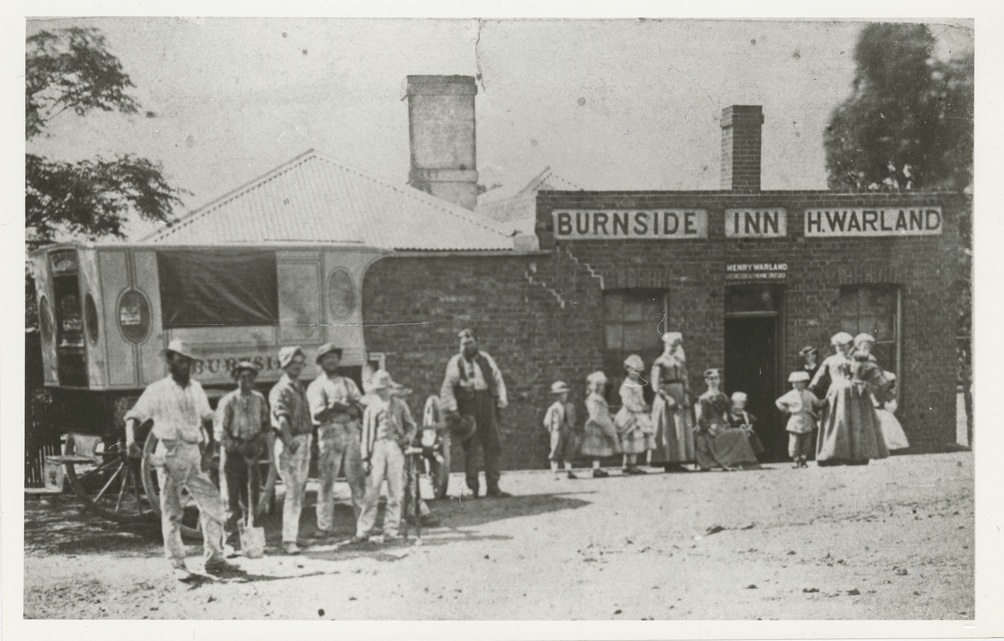
    Did you know? Young Street in Burnside was named after James Milne Young (1844-1916), a local land agent. James married Eliza Symons, daughter of John Symons, his neighbour and market gardener whose family worked the land in this area. When the area was subdivided, Young Street was officially named in James's honour, preserving a connection to the site where his home and his father-in-law's market gardens once flourished.

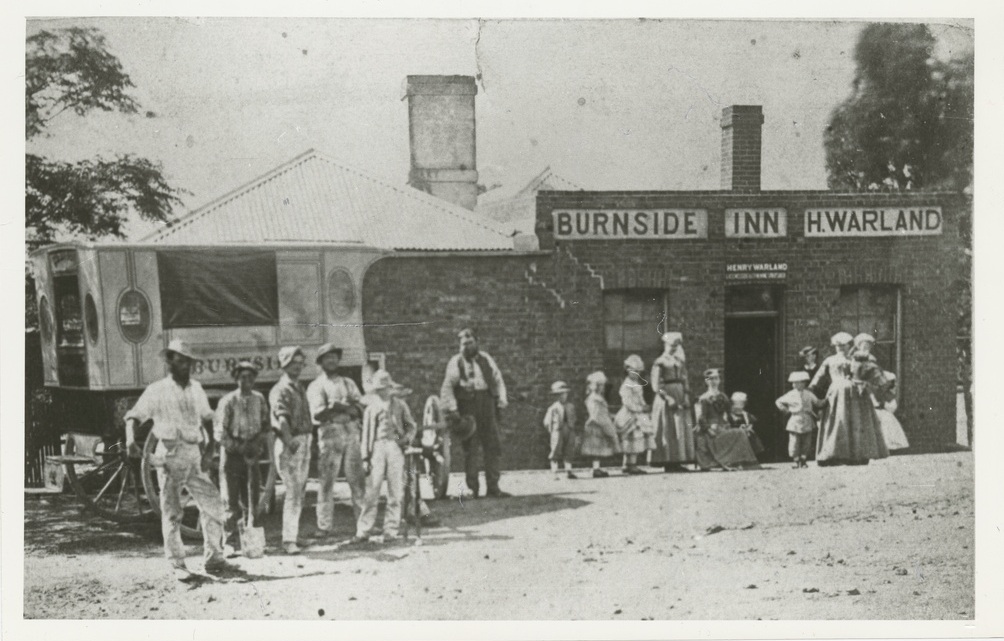
    Pictured is the Burnside Inn, an important gathering place in the village of Burnside during James Young's lifetime. Located nearby, the Inn was part of the community landscape that shaped everyday life

    Did you know? Young Street in Burnside was named after James Milne Young (1844-1916), a local land agent. James married Eliza Symons, daughter of John Symons, his neighbour and market gardener whose family worked the land in this area. When the area was subdivided, Young Street was officially named in James's honour, preserving a connection to the site where his home and his father-in-law's market gardens once flourished.

    Pictured is the Burnside Inn, an important gathering place in the village of Burnside during James Young's lifetime. Located nearby, the Inn was part of the community landscape that shaped everyday life in the area and provides a glimpse of the village that once surrounded Young Street.


    Photo: Burnside Inn, corner of High Street and Lockwood Road, circa 1890. Courtesy of State Library of South Australia, B 36707.

  • Windback Wednesday - Alexandra Avenue

    Share Windback Wednesday - Alexandra Avenue on Facebook Share Windback Wednesday - Alexandra Avenue on X (formerly Twitter) Share Windback Wednesday - Alexandra Avenue on Linkedin Email Windback Wednesday - Alexandra Avenue link
    supporting image

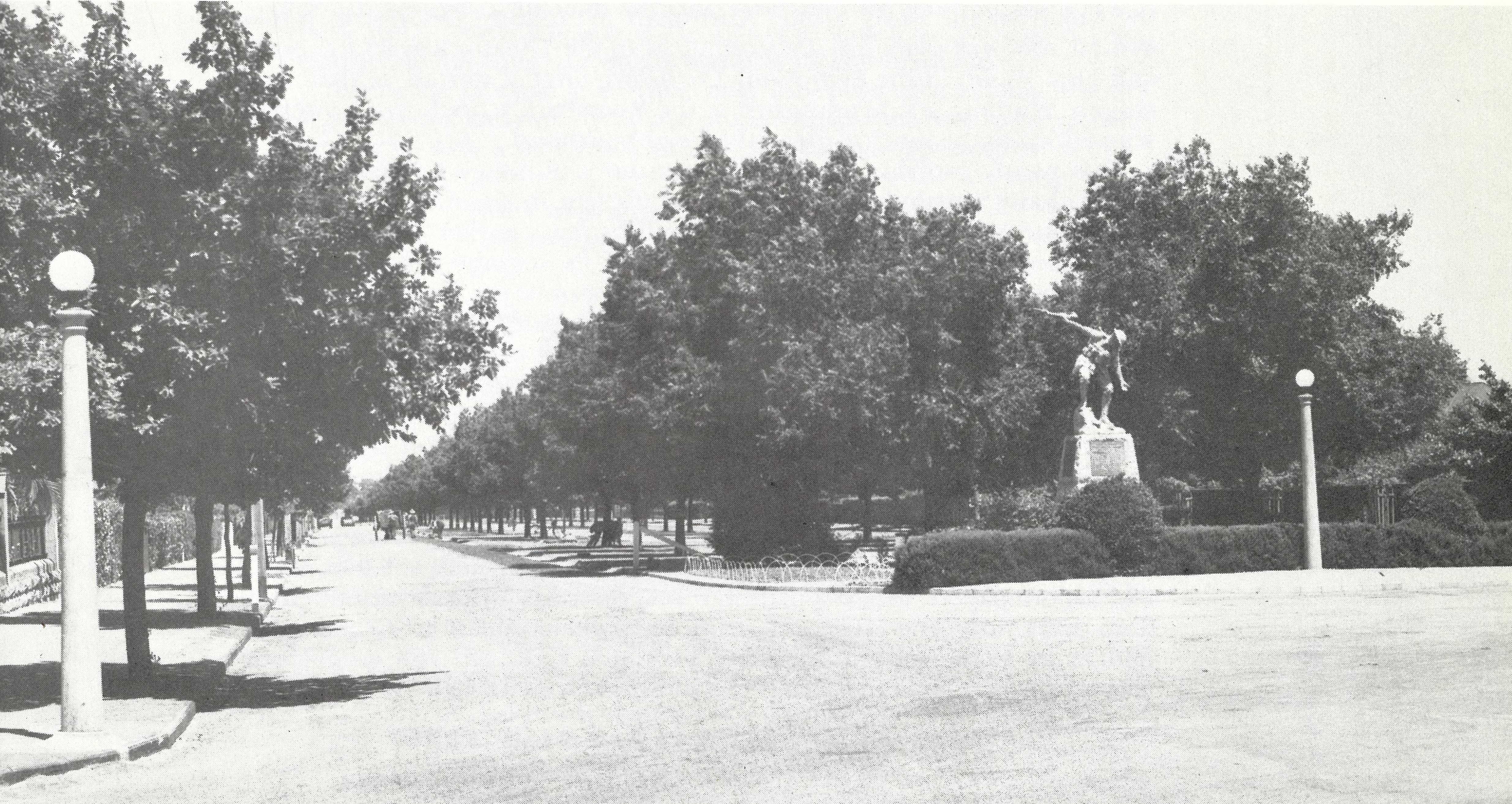
    There are no streets in the City of Burnside that begin with the letter X, so this week’s Windback Wednesday feature is AleXandra Avenue in Rose Park and Toorak Gardens.

    The avenue was originally laid out in 1878 when the South Australian Company subdivided the area that would become Rose Park. At the time, it was known as The Parade.

    In 1908, the street was renamed Alexandra Avenue in honour of Alexandra of Denmark, wife of King Edward VII and daughter-in-law of Queen Victoria. The change also helped avoid confusion with The Parade in nearby Norwood.


    Photograph: Alexandra Avenue, Rose

    There are no streets in the City of Burnside that begin with the letter X, so this week’s Windback Wednesday feature is AleXandra Avenue in Rose Park and Toorak Gardens.

    The avenue was originally laid out in 1878 when the South Australian Company subdivided the area that would become Rose Park. At the time, it was known as The Parade.

    In 1908, the street was renamed Alexandra Avenue in honour of Alexandra of Denmark, wife of King Edward VII and daughter-in-law of Queen Victoria. The change also helped avoid confusion with The Parade in nearby Norwood.


    Photograph: Alexandra Avenue, Rose Park, 1956. Burnside Local History Collection.

  • Windback Wednesday - Union Street, Dulwich

    Share Windback Wednesday - Union Street, Dulwich on Facebook Share Windback Wednesday - Union Street, Dulwich on X (formerly Twitter) Share Windback Wednesday - Union Street, Dulwich on Linkedin Email Windback Wednesday - Union Street, Dulwich link
    supporting image

    Union Street in Dulwich was named to commemorate one of the most significant events in Australian history: Federation.

    On 1 January 1901, six separate British colonies united to form the Commonwealth of Australia, creating the nation we know today. To mark this historic occasion, Union Street in Dulwich was named in honour of Australia's unification, with Union Street in nearby Beulah Park (formerly known as Frederick Street) also commemorating the event.

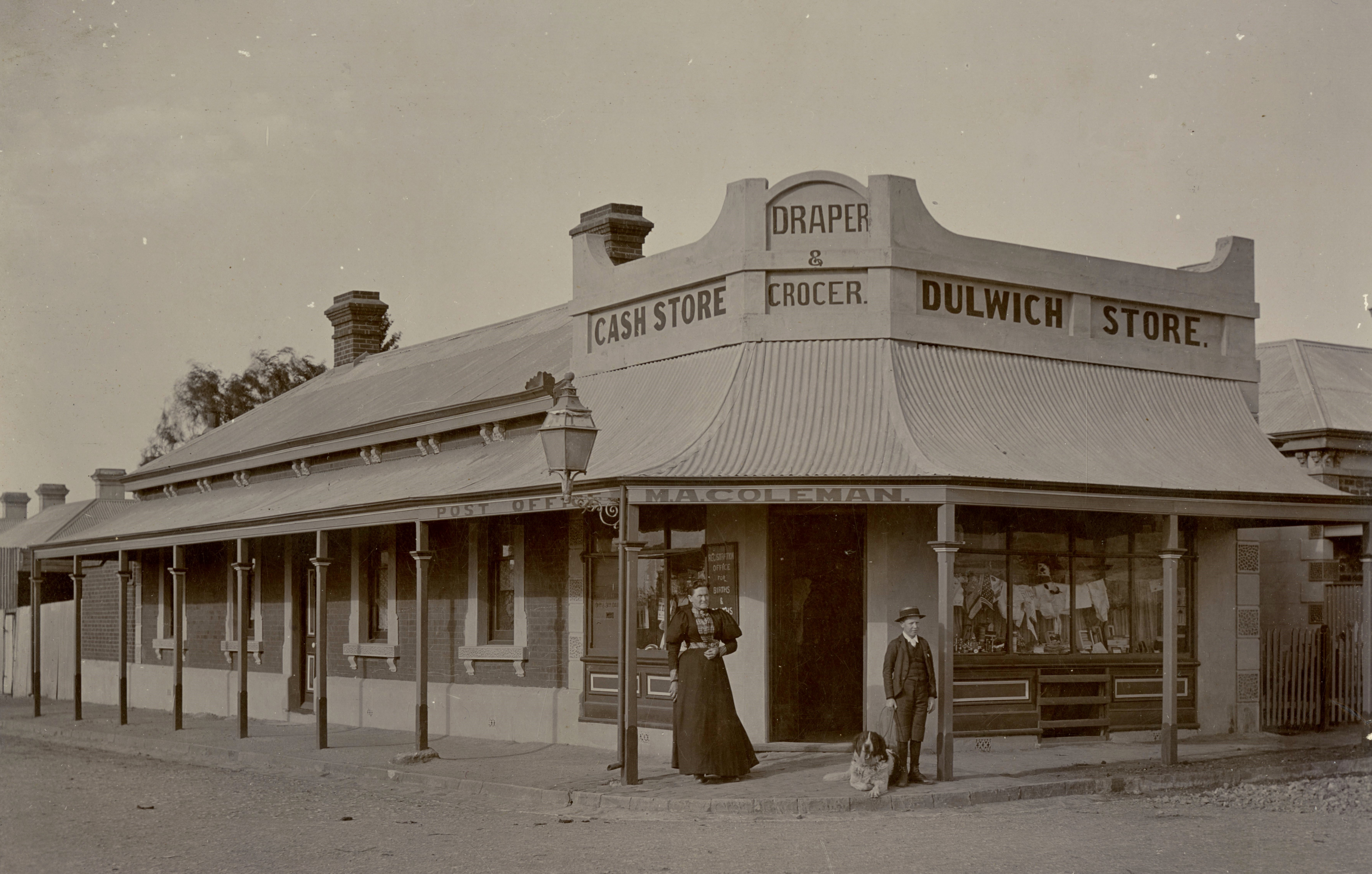
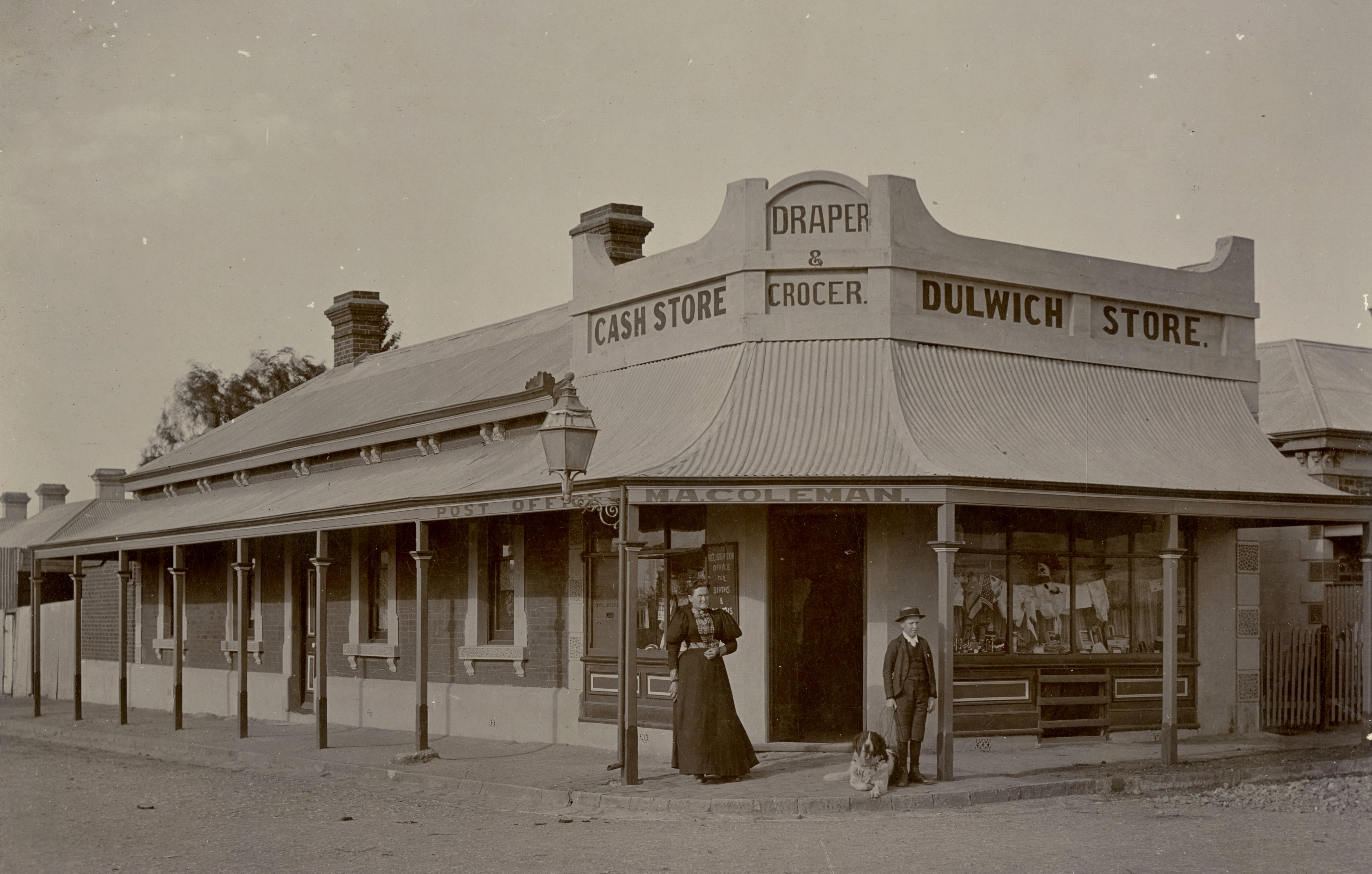
    The photograph depicts a shop at the corner of Union Street and Mill Street, circa 1902. Built circa 1896, this shop serviced the local area as a shop and

    Union Street in Dulwich was named to commemorate one of the most significant events in Australian history: Federation.

    On 1 January 1901, six separate British colonies united to form the Commonwealth of Australia, creating the nation we know today. To mark this historic occasion, Union Street in Dulwich was named in honour of Australia's unification, with Union Street in nearby Beulah Park (formerly known as Frederick Street) also commemorating the event.

    The photograph depicts a shop at the corner of Union Street and Mill Street, circa 1902. Built circa 1896, this shop serviced the local area as a shop and post office. The building is now a private residence.


    Photo: Corner shop at the corner of Union Street and Mill Street, Dulwich. Circa 1902. Burnside Local History Collection.

  • Windback Wednesday - Talbot Street

    Share Windback Wednesday - Talbot Street on Facebook Share Windback Wednesday - Talbot Street on X (formerly Twitter) Share Windback Wednesday - Talbot Street on Linkedin Email Windback Wednesday - Talbot Street link
    supporting image

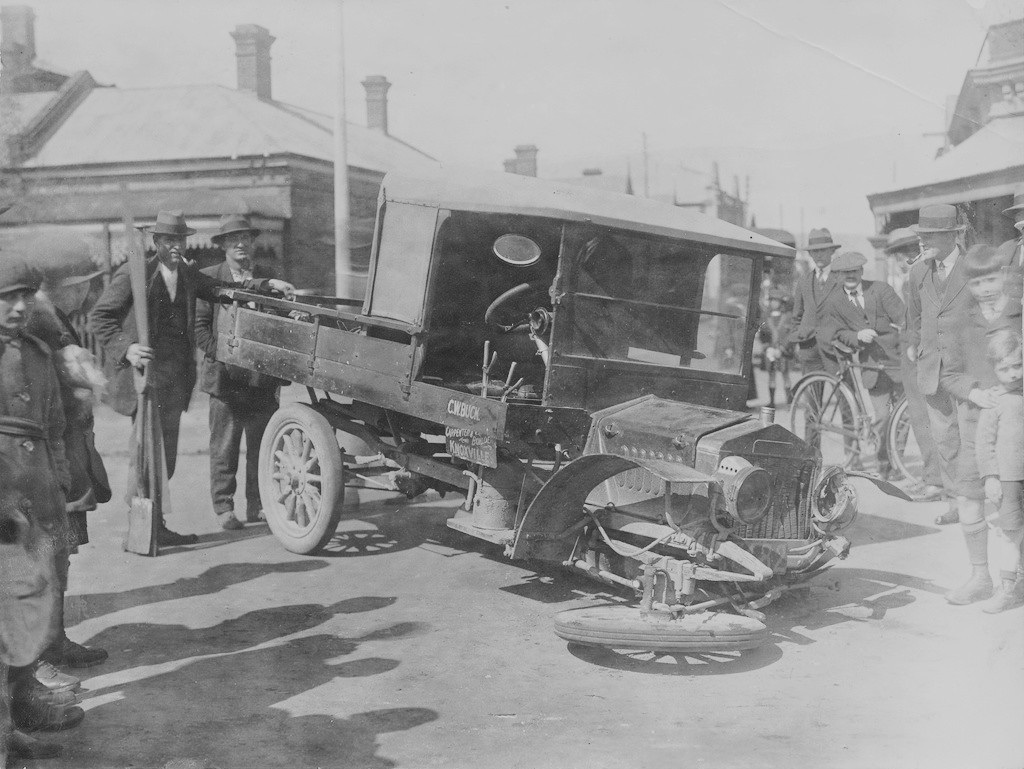
    Did you know some streets in the City of Burnside are named after motor cars?

    Talbot Street, Erindale, is believed to be named after the Talbot motor car, a popular early twentieth-century vehicle named after Charles Chetwynd-Talbot, the 20th Earl of Shrewsbury. Introduced to Australia around 1904, Talbot cars earned a reputation for their reliability and endurance.

    Talbot Street is not alone. Nearby Crossley Street and Vauxhall Street are also thought to have been named after motor vehicle manufacturers, creating a unique motoring theme within the suburb of Erindale.

    Can you identify the vehicle in this photograph?
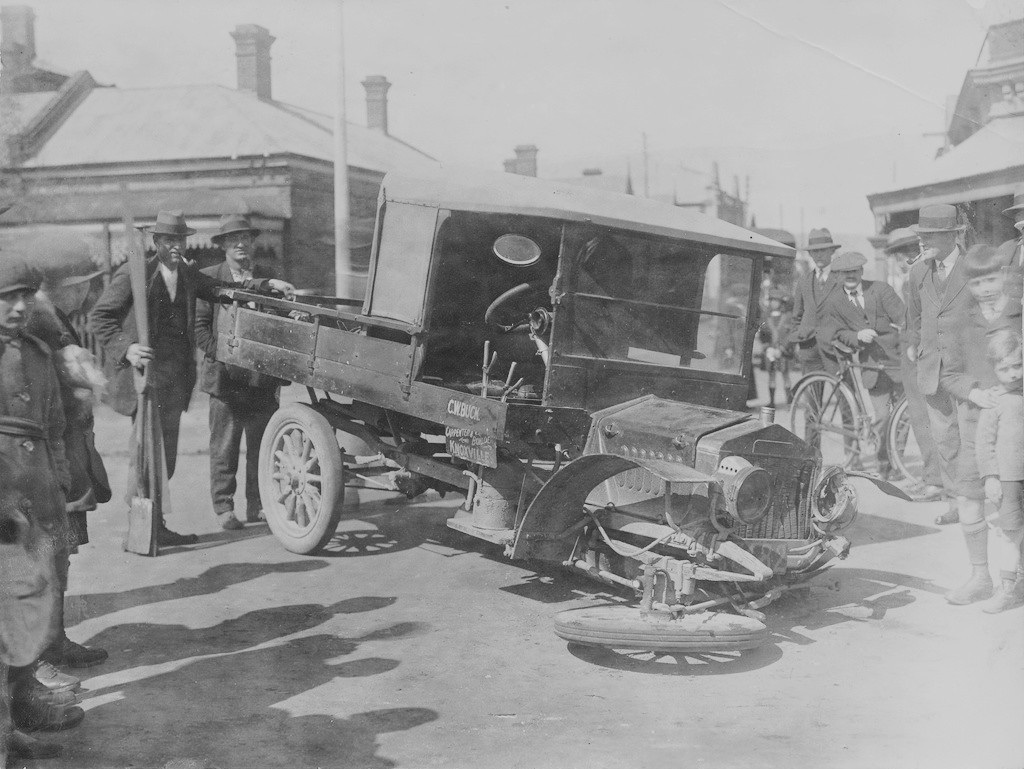
    Photo: Men and

    Did you know some streets in the City of Burnside are named after motor cars?

    Talbot Street, Erindale, is believed to be named after the Talbot motor car, a popular early twentieth-century vehicle named after Charles Chetwynd-Talbot, the 20th Earl of Shrewsbury. Introduced to Australia around 1904, Talbot cars earned a reputation for their reliability and endurance.

    Talbot Street is not alone. Nearby Crossley Street and Vauxhall Street are also thought to have been named after motor vehicle manufacturers, creating a unique motoring theme within the suburb of Erindale.

    Can you identify the vehicle in this photograph?

    Photo: Men and boys inspecting a small utility truck owned by C. W. Buck of Knoxville, which has lost its front wheels during a traffic accident. Courtesy of State Library of South Australia PRG 280/1/36/55.

  • A Place to Connect at the Community Wellness Hub

    Share A Place to Connect at the Community Wellness Hub on Facebook Share A Place to Connect at the Community Wellness Hub on X (formerly Twitter) Share A Place to Connect at the Community Wellness Hub on Linkedin Email A Place to Connect at the Community Wellness Hub link
    supporting image

    When Margie of the Burnside Rotary Club first imagined the Community Wellness Hub, she wanted to create somewhere people could get out of the house, meet others and feel part of their community. Three years later, that simple idea has grown into a welcoming monthly gathering where friendships have formed, regular faces look out for one another and newcomers are quickly made to feel at home.

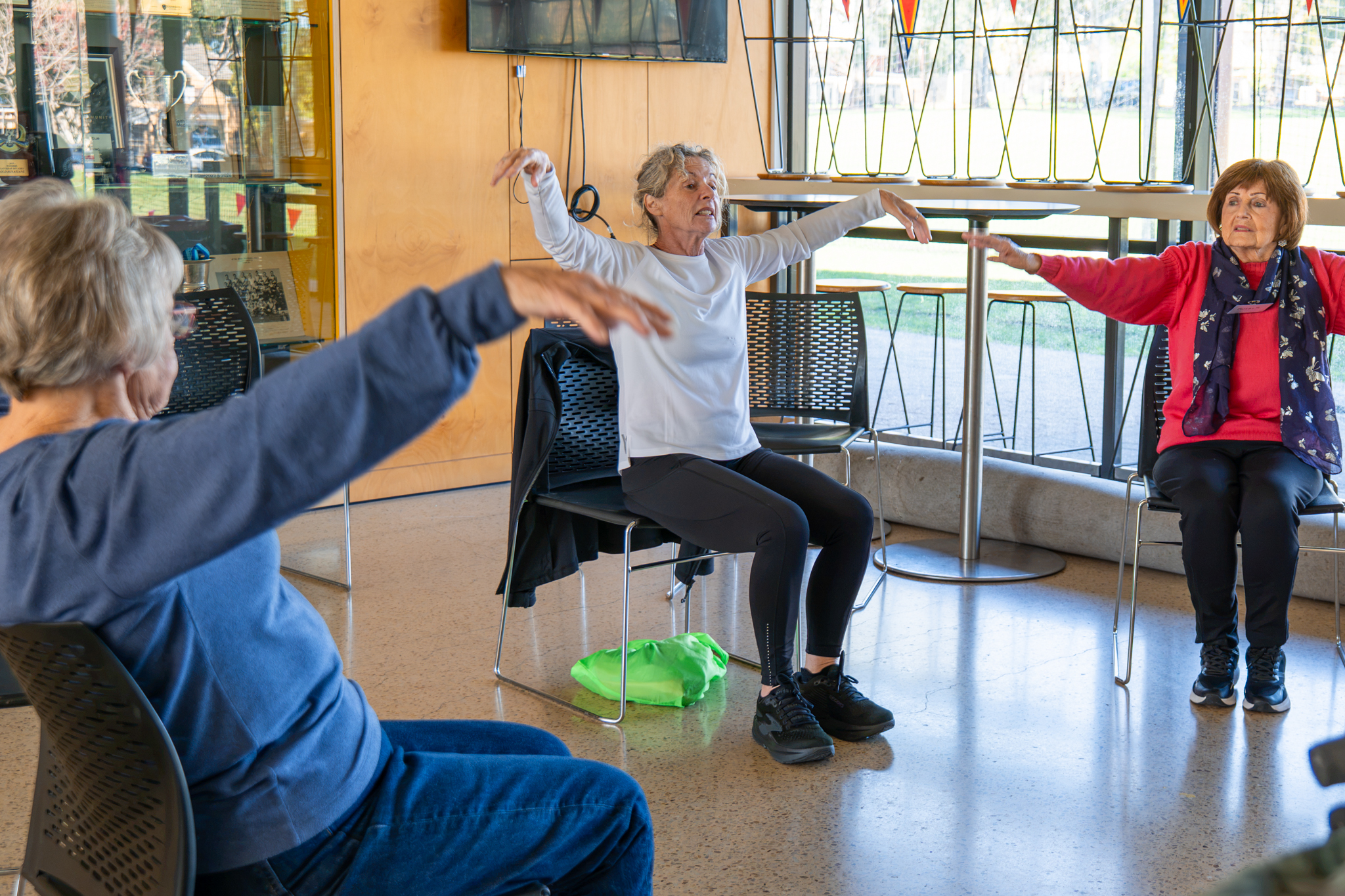
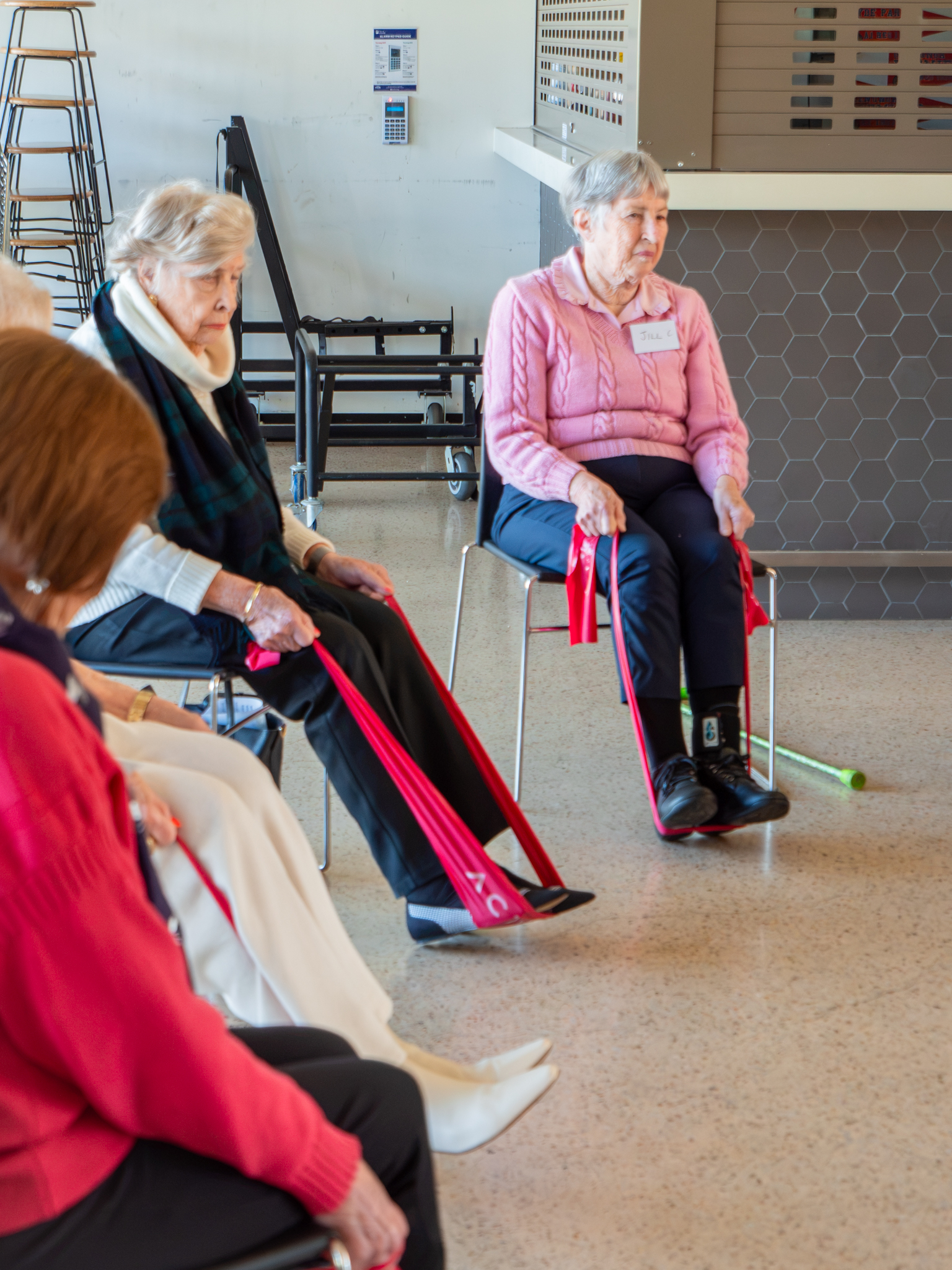
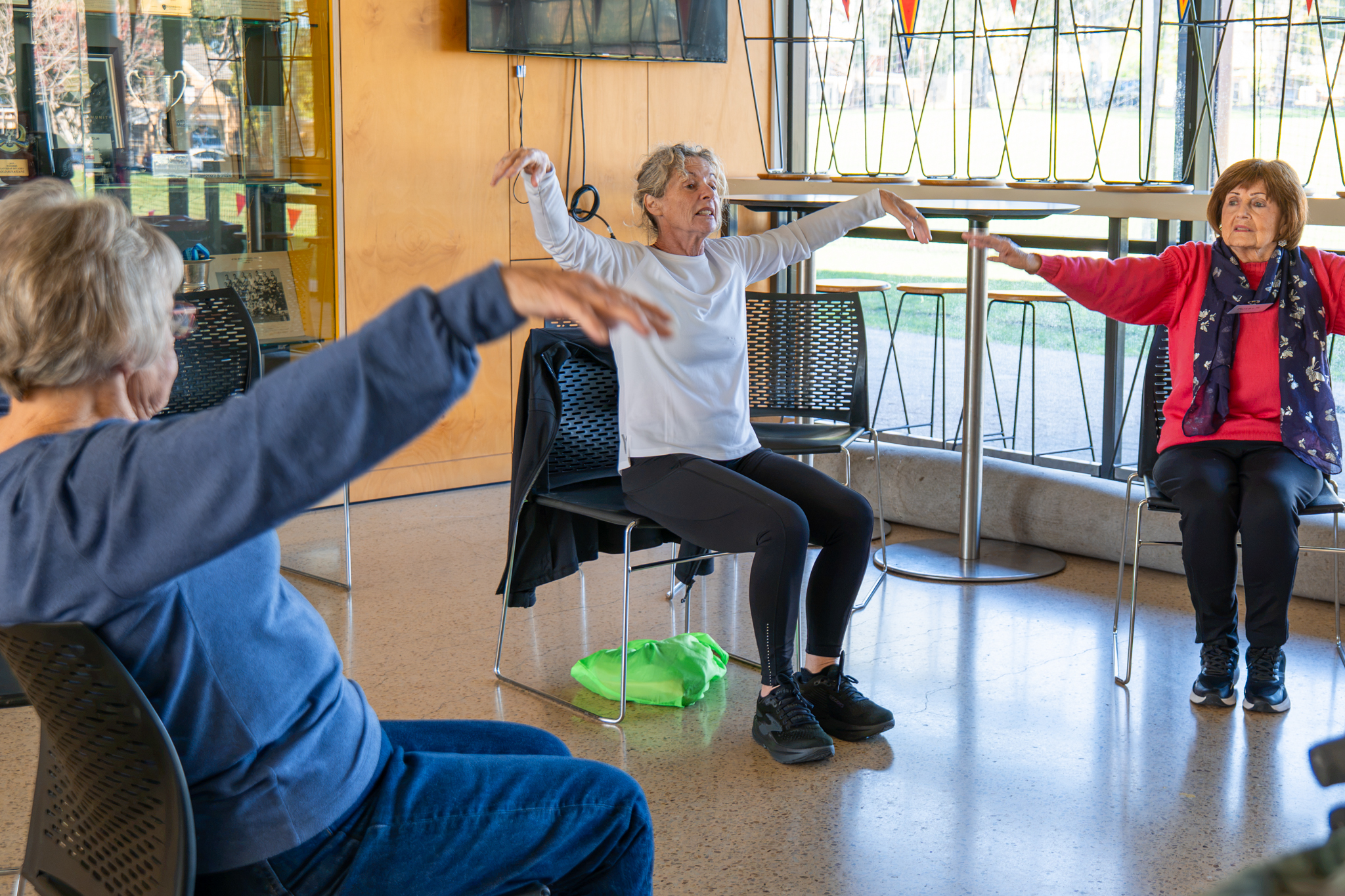
    Held on the third Thursday of each month at the Glenunga Hub, the Community Wellness Hub brings people together for light seated chair exercises, a shared lunch and engaging guest speakers, all in a

    When Margie of the Burnside Rotary Club first imagined the Community Wellness Hub, she wanted to create somewhere people could get out of the house, meet others and feel part of their community. Three years later, that simple idea has grown into a welcoming monthly gathering where friendships have formed, regular faces look out for one another and newcomers are quickly made to feel at home.

    Held on the third Thursday of each month at the Glenunga Hub, the Community Wellness Hub brings people together for light seated chair exercises, a shared lunch and engaging guest speakers, all in a relaxed and supportive environment. With around 80 per cent of attendees returning each month, it has become a place where people know they'll be greeted with a friendly face and made to feel included.

    ‘I wanted something social and community-minded – somewhere people could get to know each other and get out of the house,’ Margie said.

    ‘Our regulars look forward to seeing each other, as well as the guest speakers and chair exercises. I think the most important thing is people feel included, have a good time and learn something.’

    A popular feature of each session is the guest speaker, with presentations covering a wide range of health and wellbeing topics that leave attendees with practical knowledge and new perspectives. Some of the topics covered by guest speakers so far in 2026 include the Bombing of Darwin during WWII, the Royal Flying Doctors Service, Growing Old Gracefully, and Navigating Aged Care.

    For attendee Rosie, the welcoming atmosphere is what makes the Community Wellness Hub so special.

    ‘The social aspect is important, the people are beautiful and always supportive,’ she said. ‘We learn so much about other people and the community. It makes you feel good about yourself – it's therapeutic and informative.’

    Zeenee said the speakers are always a highlight, while Helen enjoys every part of the experience.

    ‘Margie organises good speakers. We always thoroughly enjoy it,’ Zeenee said.

    ‘We love the people, we love the speakers and we love the lunch,’ Helen added.

    The Community Wellness Hub is held on the third Thursday of every month from 11 am to 1 pm at the Glenunga Hub. Everyone is welcome and no bookings are required. A gold coin donation covers lunch.

    For more information, contact Margie from the Rotary Club of Burnside on 0412 383 827.


  • Weekly Organics Expands to More Homes

    Share Weekly Organics Expands to More Homes on Facebook Share Weekly Organics Expands to More Homes on X (formerly Twitter) Share Weekly Organics Expands to More Homes on Linkedin Email Weekly Organics Expands to More Homes link
    supporting image

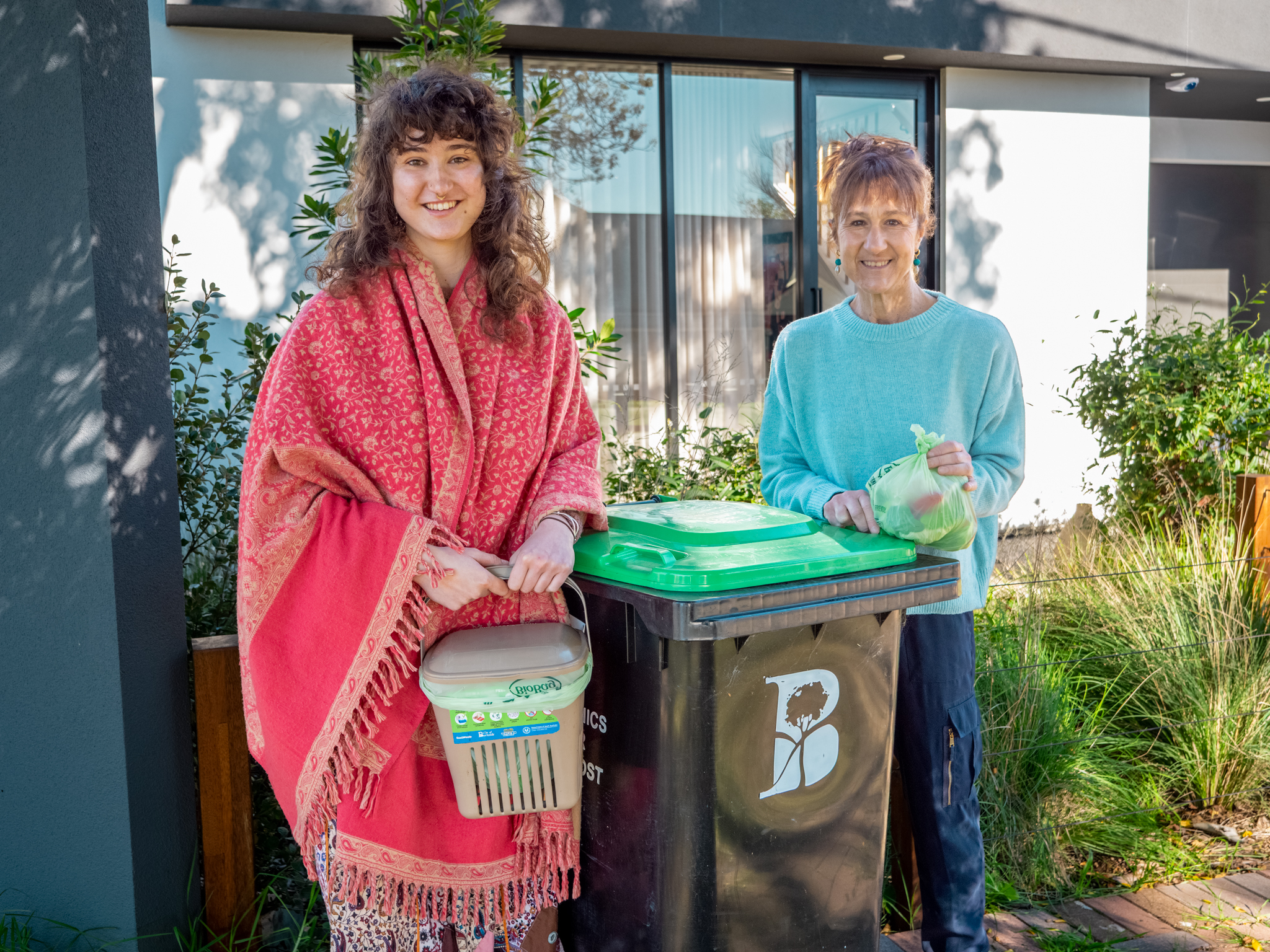
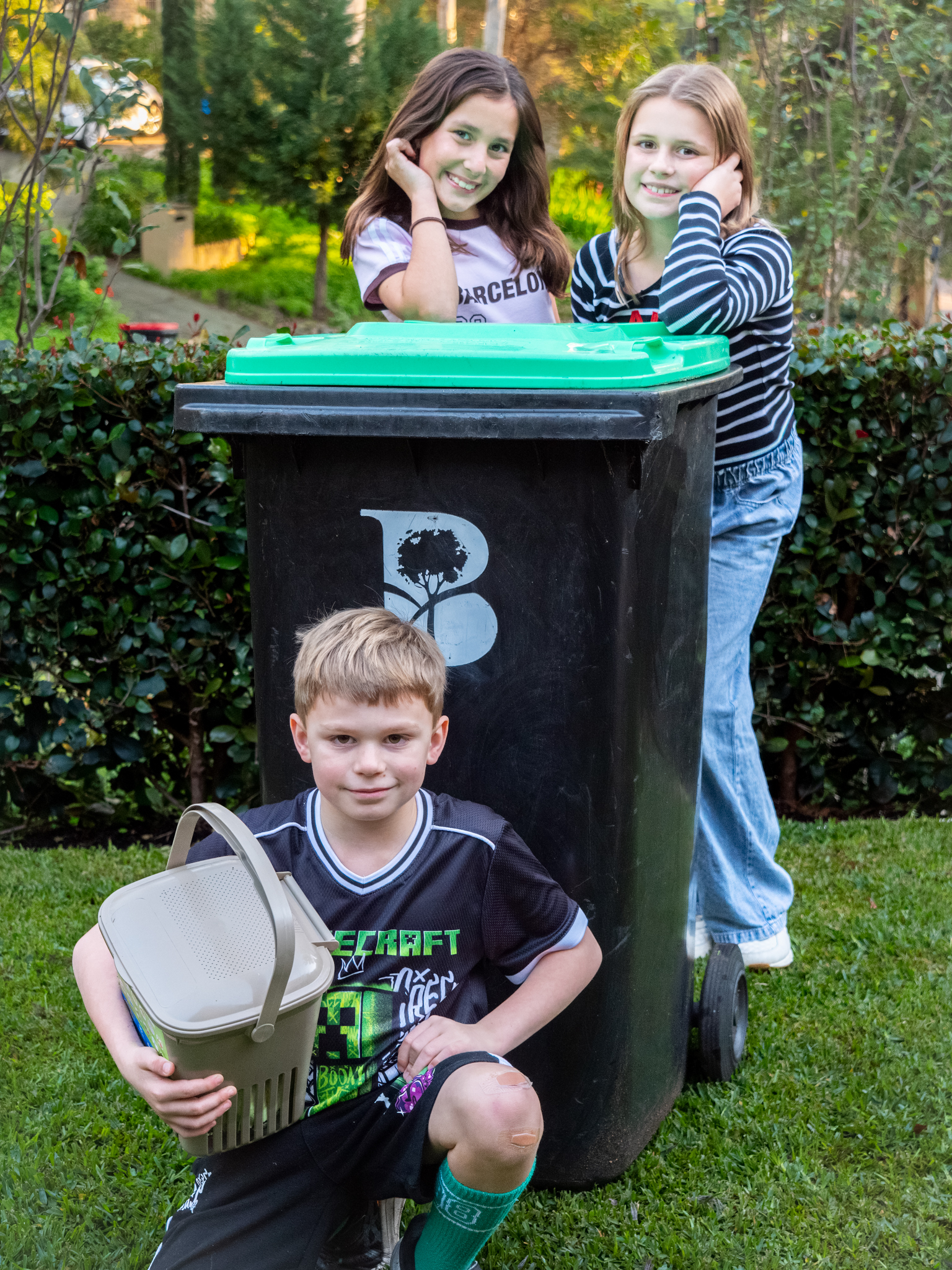
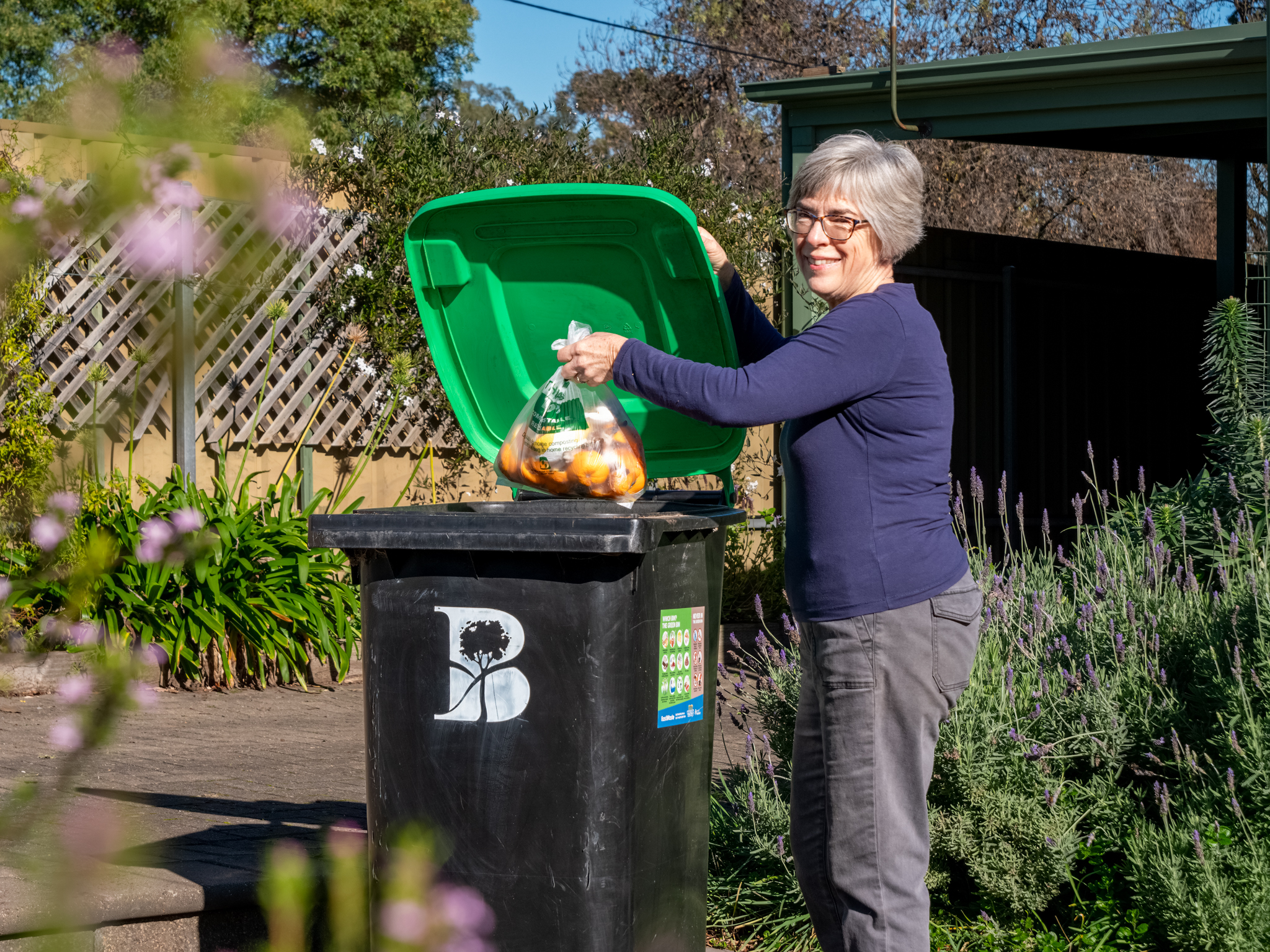
    More Burnside households will soon benefit from weekly organics collections, with the service expanding to the Tuesday bin collection area from late September 2026.

    Following the strong results of Council's weekly organics collection trial, this latest stage will expand the service to around 44 per cent of households across the Council area.

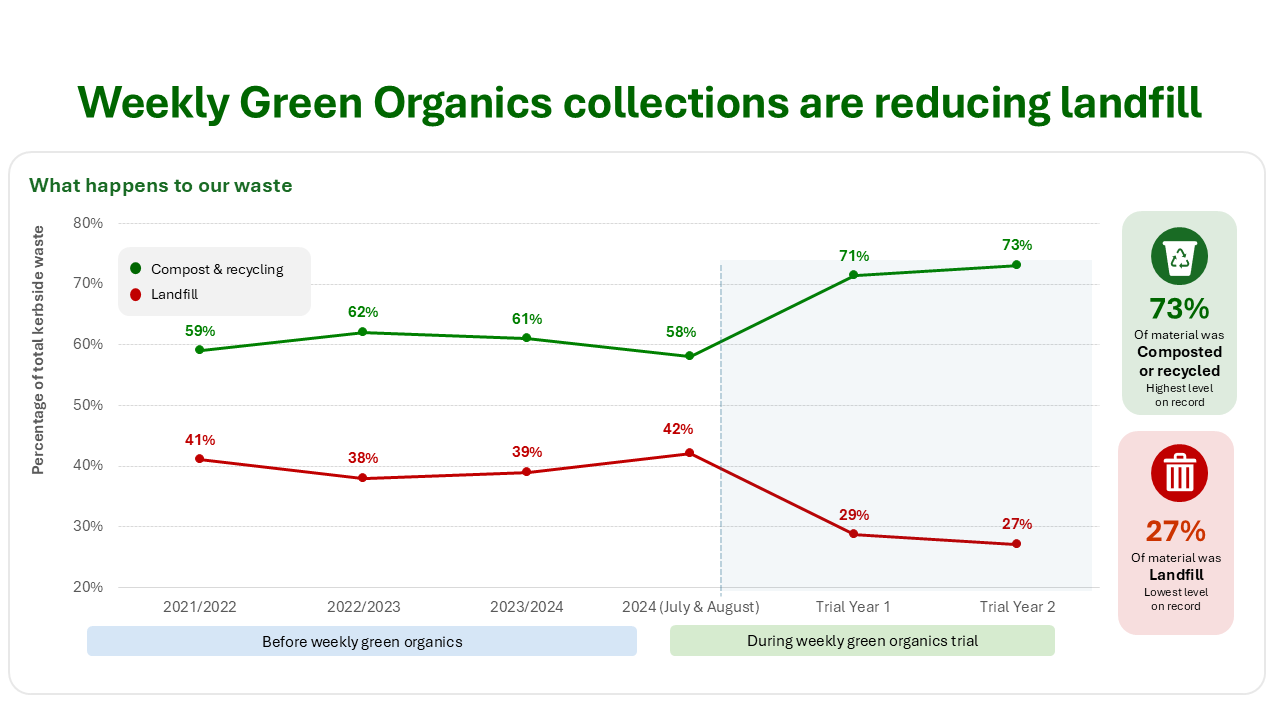
    The service has been progressively introduced across the Monday bin collection area over the past two years. Community support has been strong. More frequent collection of food scraps and garden waste has significantly reduced the amount of waste sent to landfill. This demonstrates the benefits of the service.

    Under the weekly organics service, green-lidded organics bins are emptied every week, while red-lidded landfill bins are emptied fortnightly. There is no change to recycling collections.

    The results have been impressive

    Over the past year, more than 380 tonnes of waste have been diverted from landfill compared with pre-trial levels. To put that into perspective, that's roughly the weight of 270 Toyota Corollas. It's a positive outcome for both the community and the environment.

    The trial has also highlighted the financial benefits of separating organic waste. Sending food and garden waste to be composted costs significantly less than sending it to landfill, making it a practical and cost-effective waste management solution. The service also helps ensure that organic materials are put to productive use as compost rather than becoming landfill.


    Easy for residents, good for the environment

    One of the key advantages of weekly organics collection is its convenience. More frequent collections make it easier for households to manage food scraps and garden waste throughout the week, helping residents get the most from their green organics bins.

    Residents are already seeing the benefits

    Rosa from Kensington Gardens said, ‘Being a resident and paying my rates, I think this system is good for the environment but also for the efficiency of rubbish collection.’


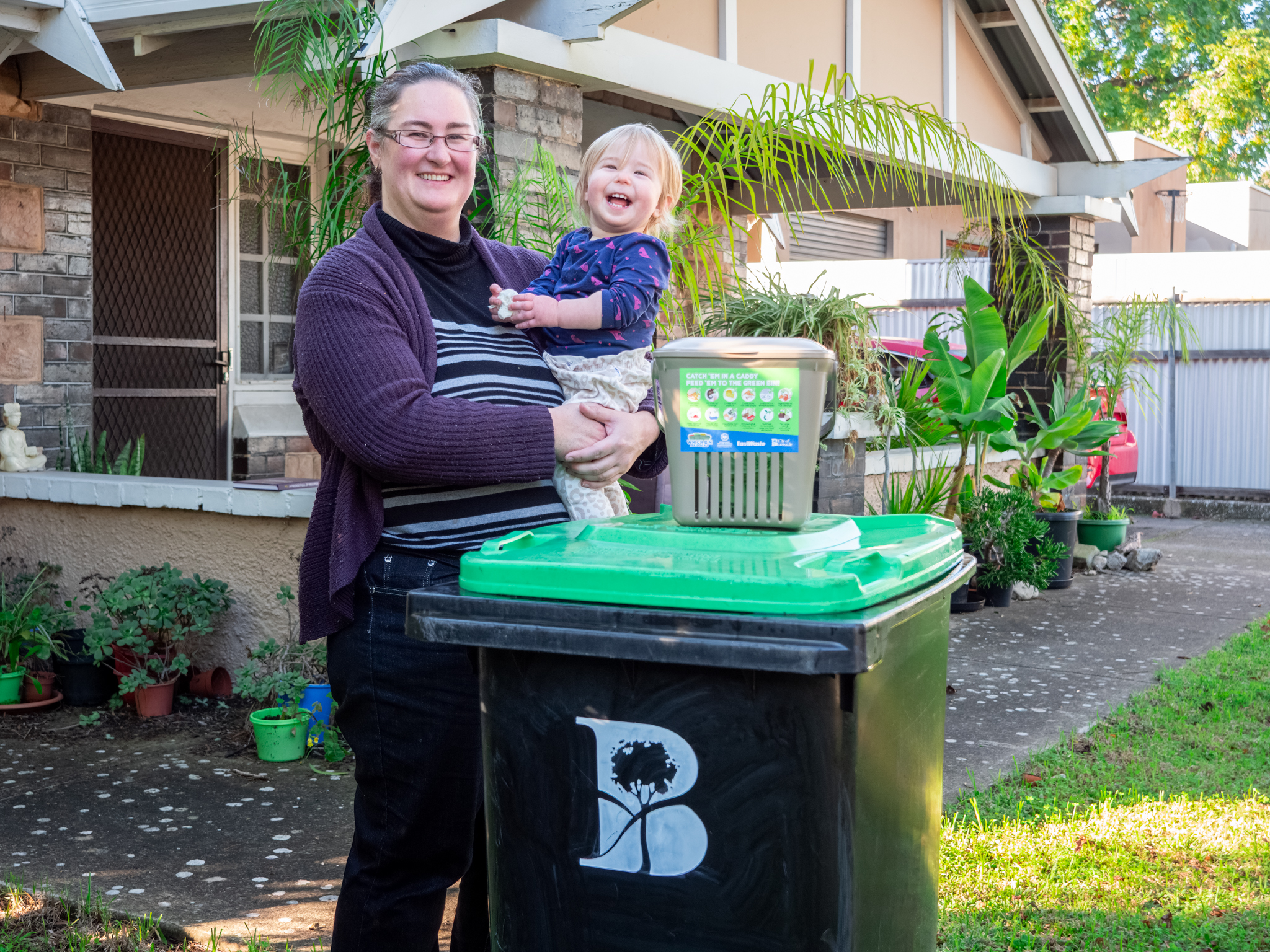
    Ulyssia and Rosa


    Rob from Beulah Park said, ‘it is an excellent initiative and I fully support it.’

    Residents in the Tuesday collection area are also looking forward to the service.

    Having previously lived interstate before returning to Adelaide, Stonyfell resident Alex welcomes the expansion. ‘It was a little bit of a shock when we came back to Adelaide and weekly organics wasn’t already available. This is a big benefit for the community.’


    Jenny from Rosslyn Park added, ‘I would love to see the community take this up with enthusiasm and see the benefits. I love the slogan “If it grows, it goes” – it’s a really simple guide.’

    Jenny


    The September expansion will include Auldana, Erindale, Leabrook, Rosslyn Park, Skye, Stonyfell, Tusmore and Wattle Park. Residents in these suburbs have already received information about the service and what to expect.

    For more information about weekly organics, visit the Council website at www.burnside.sa.gov.au/weeklyorganics

  • Co-design Workshops – Helping You Shape Community Projects

    Share Co-design Workshops – Helping You Shape Community Projects on Facebook Share Co-design Workshops – Helping You Shape Community Projects on X (formerly Twitter) Share Co-design Workshops – Helping You Shape Community Projects on Linkedin Email Co-design Workshops – Helping You Shape Community Projects link
    supporting image

    Have you ever wanted to make a direct impact on the design of your local community? If you have, the City of Burnside’s co-design process sounds right up your street.

    Co-design is one of the ways the City of Burnside works alongside residents and community groups to shape projects that matter to the community – and you don’t even need specialised knowledge to take part. Rather than presenting a draft or concept design and asking for feedback, co-design invites community members into the conversation from the very beginning through involvement across numerous workshops.

    When Council begins a playground project, staff

    Have you ever wanted to make a direct impact on the design of your local community? If you have, the City of Burnside’s co-design process sounds right up your street.

    Co-design is one of the ways the City of Burnside works alongside residents and community groups to shape projects that matter to the community – and you don’t even need specialised knowledge to take part. Rather than presenting a draft or concept design and asking for feedback, co-design invites community members into the conversation from the very beginning through involvement across numerous workshops.

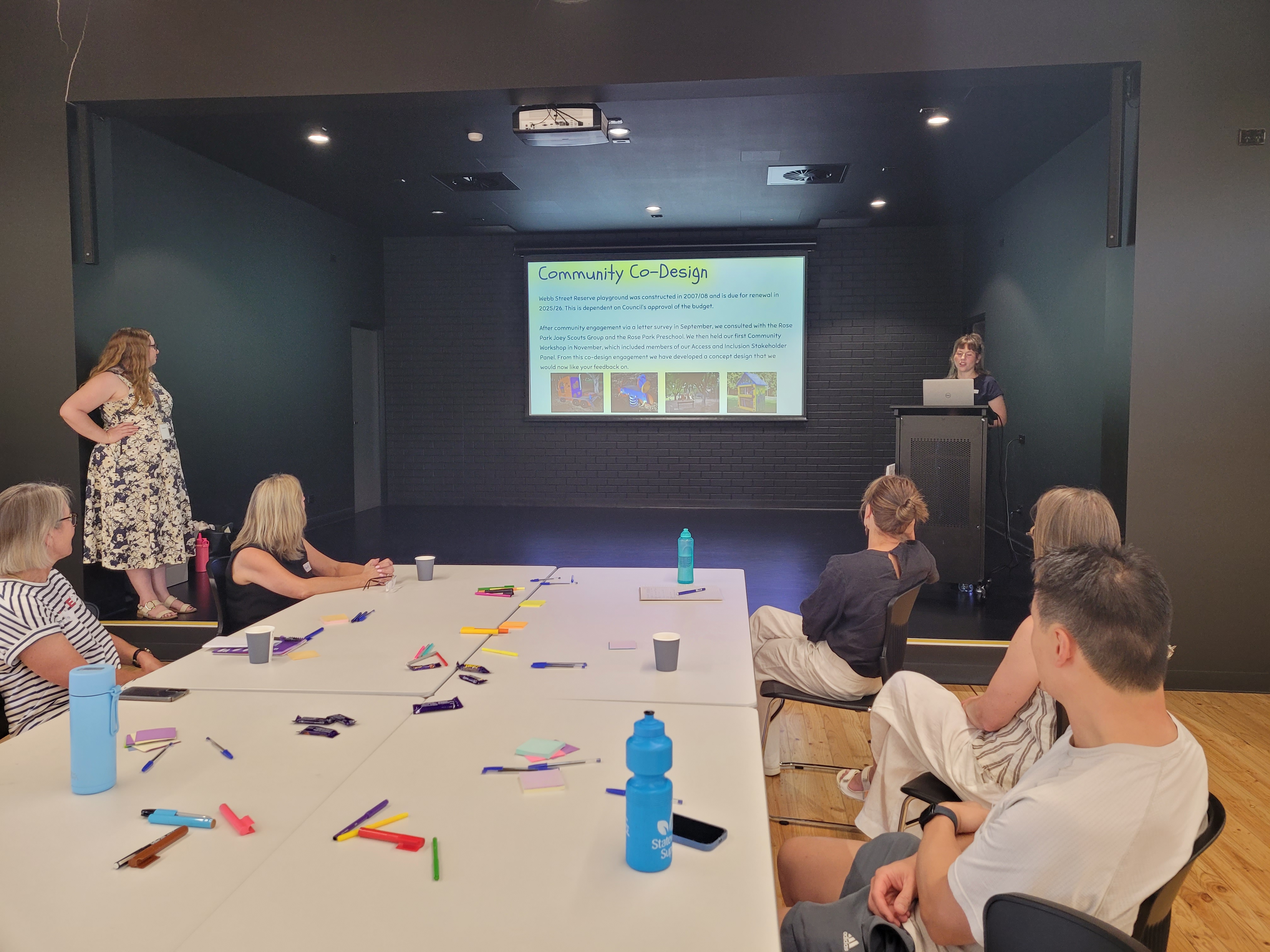
    When Council begins a playground project, staff don’t arrive with a completed design. Instead, the process starts by researching the site’s history, opportunities and constraints, reviewing community survey results and gathering feedback from local schools, clubs and community groups. Staff also come prepared with a strong understanding of playground safety standards, accessibility requirements, current best practice in inclusive play design and information about tree protection.

    At the first workshop, this background information is shared with the group of residents and then the conversation begins.

    A key starting question is often: What was your favourite playground as a child? These conversations quickly open up memories, ideas and reflections about what makes a great play space. The group sometimes talk about favourite playgrounds people have visited more recently and what features make them enjoyable and welcoming. Participants discuss what they would like to see in the new playground. including play experiences, equipment, materials, colours, themes, seating and landscape features.

    Following the workshop, Council’s landscape architect develops a concept plan that incorporates as much of the community’s feedback as possible within the project budget.

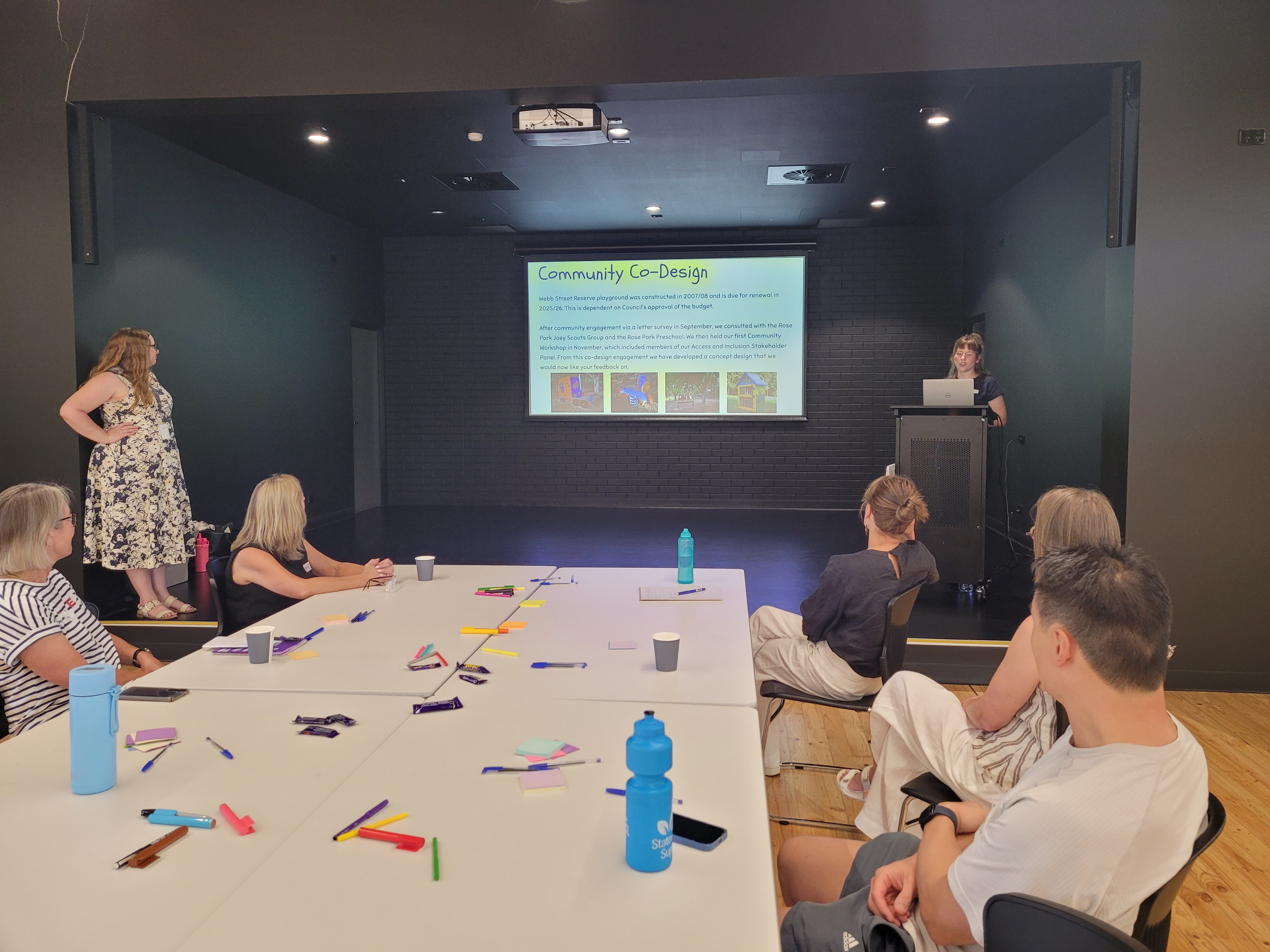
    A second co-design workshop brings everything together. Participants review the outcomes from community surveys, engagement with local schools and groups and discussions from the first workshop. A draft concept plan is then presented for discussion, with participants invited to share what they like, what could be improved and what might be missing. Together, the group works towards refining the design and making decisions about what elements should be kept, changed or further developed.

    By the end of the process, the community has played a direct role in shaping the final design.

    Importantly, you don’t need any design experience or technical knowledge to take part. Your lived experience of using parks and playgrounds is what matters most.

    Thinking about joining a workshop?

    Co-design workshops are informal, welcoming and open to everyone.

    • No design experience is required.
    • All ages and backgrounds are welcome.
    • You can join in as much or as little as you like.
    • Every idea is listened to and considered.
    • The sessions are relaxed, conversational and collaborative.
    • No need to organise a babysitter. Bringing children is not only welcome, it’s encouraged.

    Workshop locations are chosen based on proximity to the playground along with accessibility considerations and good toilets. If you have any concerns you can reach out prior to the workshop and our team will send through the details of the space.

    Webb Street Reserve Playground was a recent example of a successful co-design approach.

    Keep an eye on your letter box for any upcoming projects in your area.


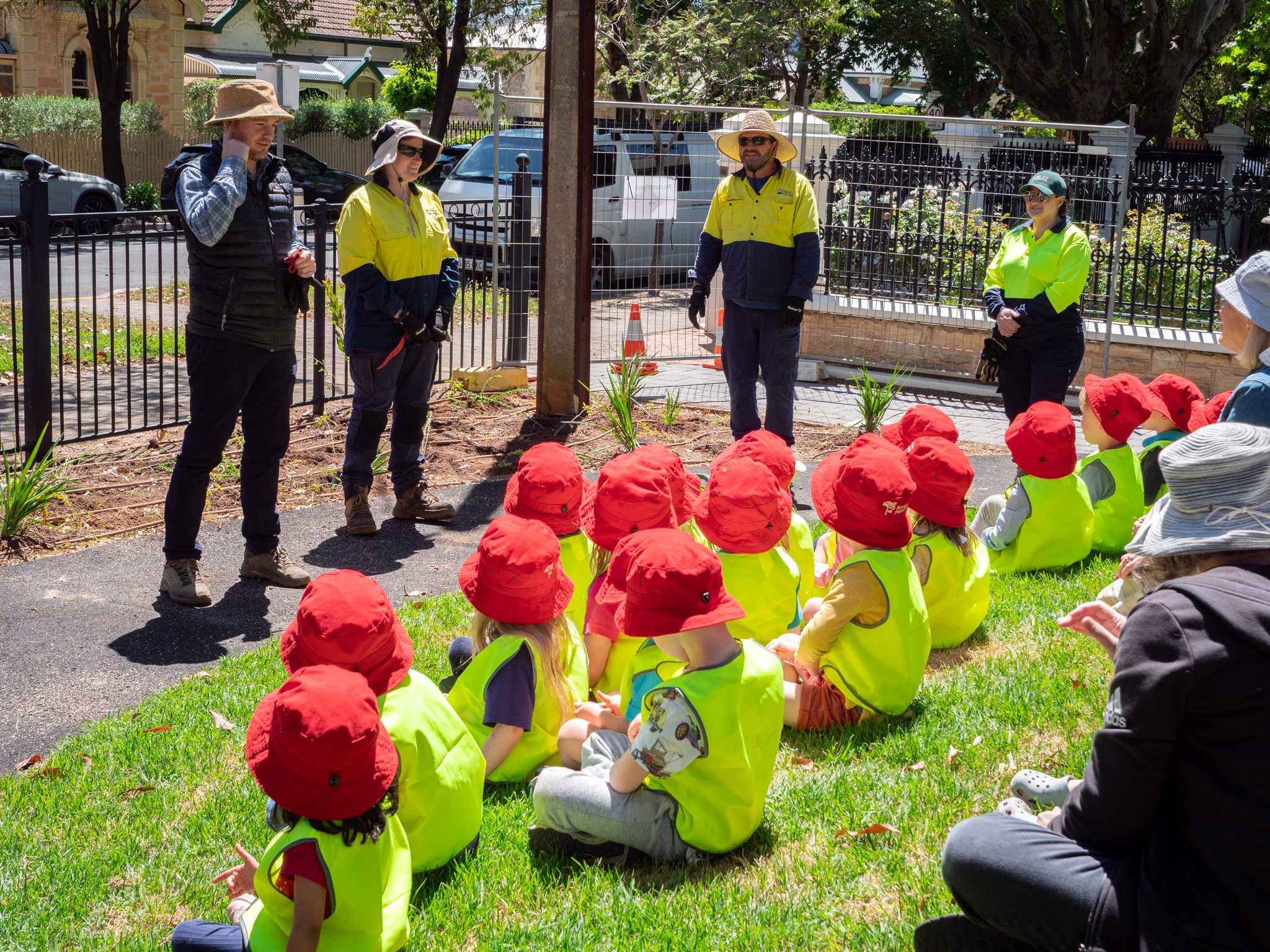
    A co-design workshop in progress

    It's not just adults who we consult with

  • Windback Wednesday - Sitters Memorial Drive

    Share Windback Wednesday - Sitters Memorial Drive on Facebook Share Windback Wednesday - Sitters Memorial Drive on X (formerly Twitter) Share Windback Wednesday - Sitters Memorial Drive on Linkedin Email Windback Wednesday - Sitters Memorial Drive link
    supporting image

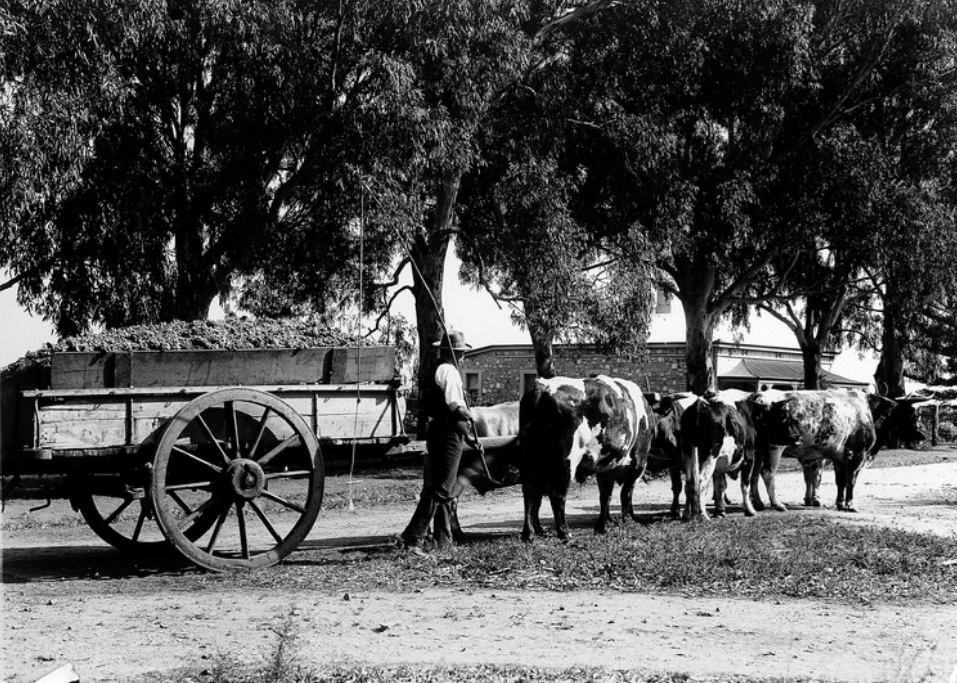
    Do you know what a bullocky did for a living?

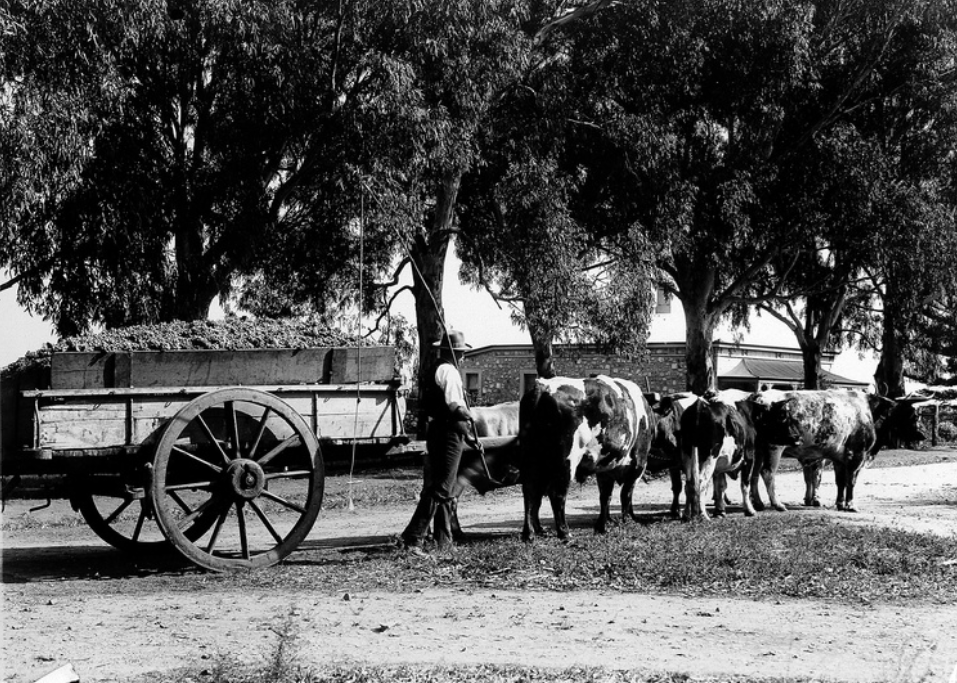
    What is now Sitters Memorial Drive began as a simple track used by local bullock driver Hartley Sitters to bypass a steep section of Greenhill Road. As Burnside developed, the track was transformed into a sealed road and later renamed in recognition of the man whose journeys helped create it.

    Answer: A bullock driver, commonly known as a bullocky, was a person who drove and managed a team of oxen (bullocks) used to transport goods, produce, timber and supplies before the advent of motor vehicles. Bullock teams could consist of

    Do you know what a bullocky did for a living?

    What is now Sitters Memorial Drive began as a simple track used by local bullock driver Hartley Sitters to bypass a steep section of Greenhill Road. As Burnside developed, the track was transformed into a sealed road and later renamed in recognition of the man whose journeys helped create it.

    Answer: A bullock driver, commonly known as a bullocky, was a person who drove and managed a team of oxen (bullocks) used to transport goods, produce, timber and supplies before the advent of motor vehicles. Bullock teams could consist of up to 20 animals and typically travelled around 15 kilometres a day. The bullocky walked beside the team, directing the animals using voice commands and a whip. Although slower than horses, bullocks were valued for their strength, reliability, and ability to haul heavy loads across rough terrain.


    Photograph: Team of bullocks pulling cart of grapes in Magill area, approximately 1910. Courtesy of SLSA B 62605.

  • Windback Wednesday - Redounau Crescent

    Share Windback Wednesday - Redounau Crescent on Facebook Share Windback Wednesday - Redounau Crescent on X (formerly Twitter) Share Windback Wednesday - Redounau Crescent on Linkedin Email Windback Wednesday - Redounau Crescent link
    supporting image

    Did you know Redounau Crescent in Wattle Park was named after a type of olive?

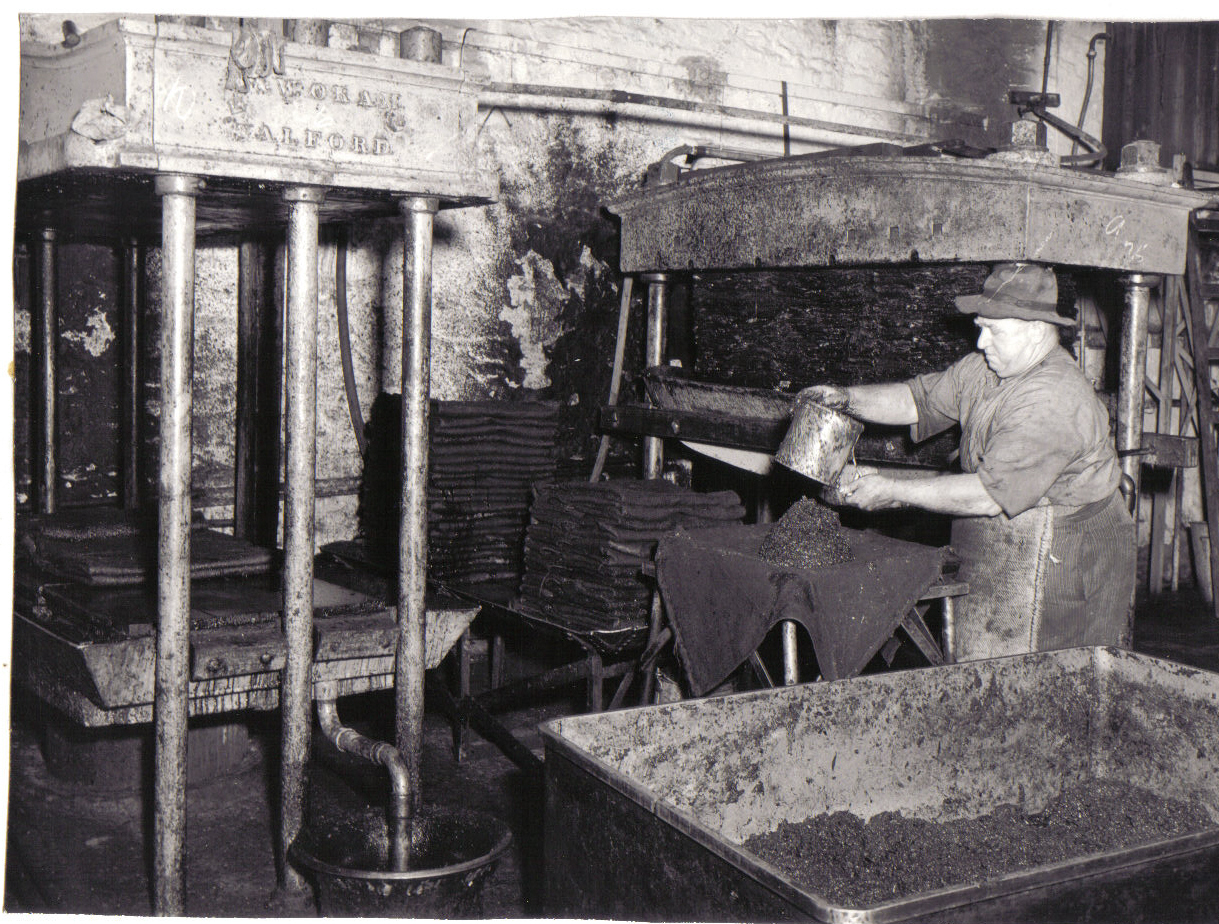
    The name links to the City of Burnside’s once-thriving olive industry. In the 1840s, Samuel Davenport imported olive truncheons from France and planted them at Beaumont, laying the foundations for Australia’s first commercial olive oil production. His award-winning olive oil was sold across Australia and exhibited internationally.

    From the 1870s, Joseph Crompton managed extensive local olive groves and vineyards, while the Stonyfell Olive Company grew to more than 10,000 trees. Although renowned for its quality oil, cheaper imports eventually brought local production to an end

    Did you know Redounau Crescent in Wattle Park was named after a type of olive?

    The name links to the City of Burnside’s once-thriving olive industry. In the 1840s, Samuel Davenport imported olive truncheons from France and planted them at Beaumont, laying the foundations for Australia’s first commercial olive oil production. His award-winning olive oil was sold across Australia and exhibited internationally.

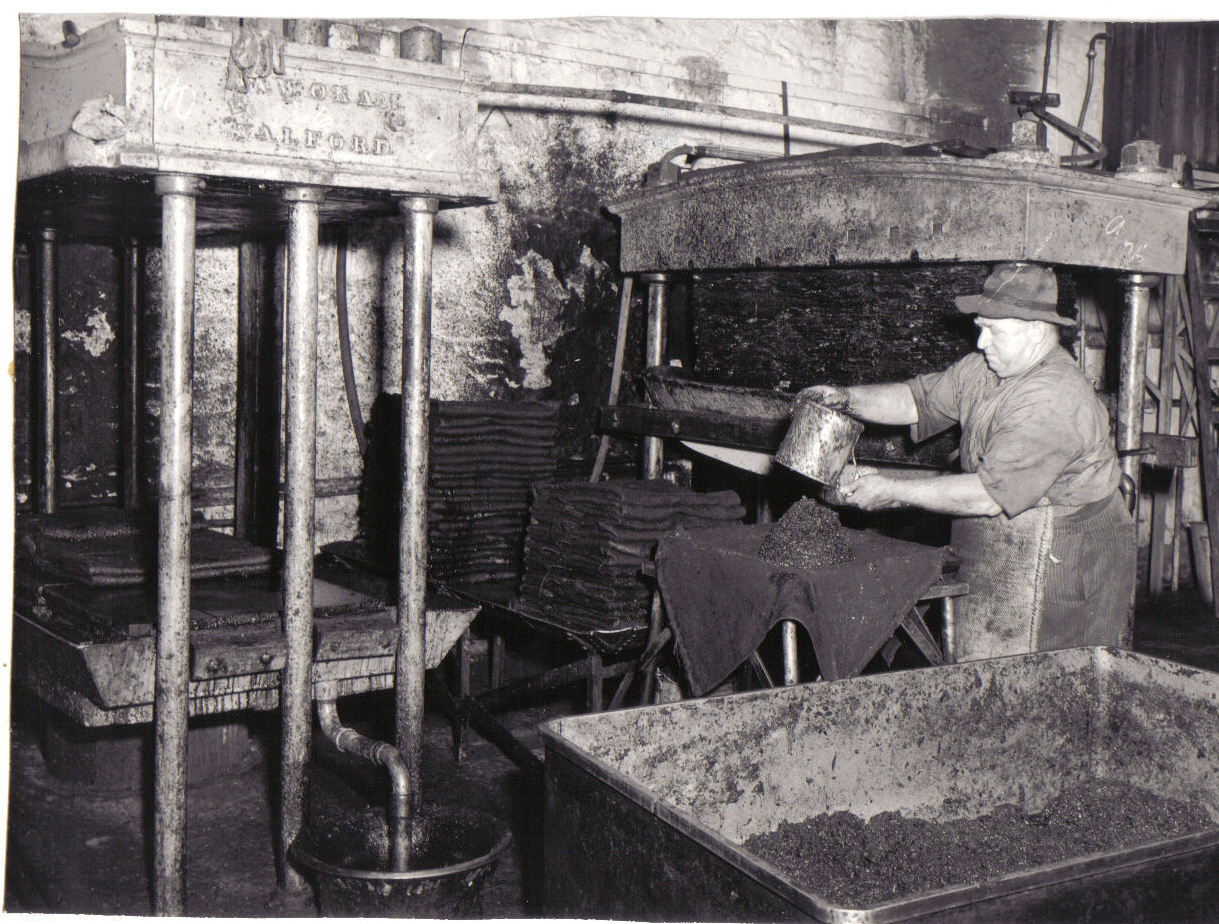
    From the 1870s, Joseph Crompton managed extensive local olive groves and vineyards, while the Stonyfell Olive Company grew to more than 10,000 trees. Although renowned for its quality oil, cheaper imports eventually brought local production to an end, with Stonyfell closing in 1958 and Beaumont in 1962.


    Photo: Stonyfell Olive Company production line, circa 1945. Burnside Local History Collection.

Page last updated: 14 Oct 2026, 08:00 AM